The US delivery market is vast, complex, and always changing. With new apps emerging and established players expanding, independent contractors have more choices than ever.
For people exploring flexible work, it’s worth examining how these platforms operate. This article is for anyone curious about gig economy apps, trends, and the reality of independent delivery work in the US.
Understanding the US Delivery App Landscape
There’s a lot to unpack when it comes to delivery apps. DoorDash, Uber Eats, Instacart, and Shipt all allow contractors to deliver food or groceries for pay.
Each platform operates a bit differently, yet the fundamentals are similar. Some apps focus on restaurant meals, others on retail or groceries, and a few offer almost any item a customer might request.
For those drawn to app-based work, it’s helpful to know which options fit different lifestyles and financial needs.
Key Players: Major Independent Contractor Delivery Apps
The biggest delivery apps in the country often lead the trends and set the tone for the gig economy. Let’s look at some platforms most contractors know:
DoorDash
Known for a large market share, DoorDash specializes in restaurant deliveries. The app is popular in both big cities and smaller towns.
Contractors, called “Dashers,” can select their hours and zones, which supports flexibility. Payment structures are transparent, but rates can fluctuate based on demand.
Uber Eats
As part of the Uber ecosystem, Uber Eats combines meal delivery with the brand’s existing ride-hailing technology.
Some drivers even switch between rides and deliveries for efficiency. Incentives, bonuses, and surge pricing may boost earnings during peak times, though they may not be consistent.
Instacart
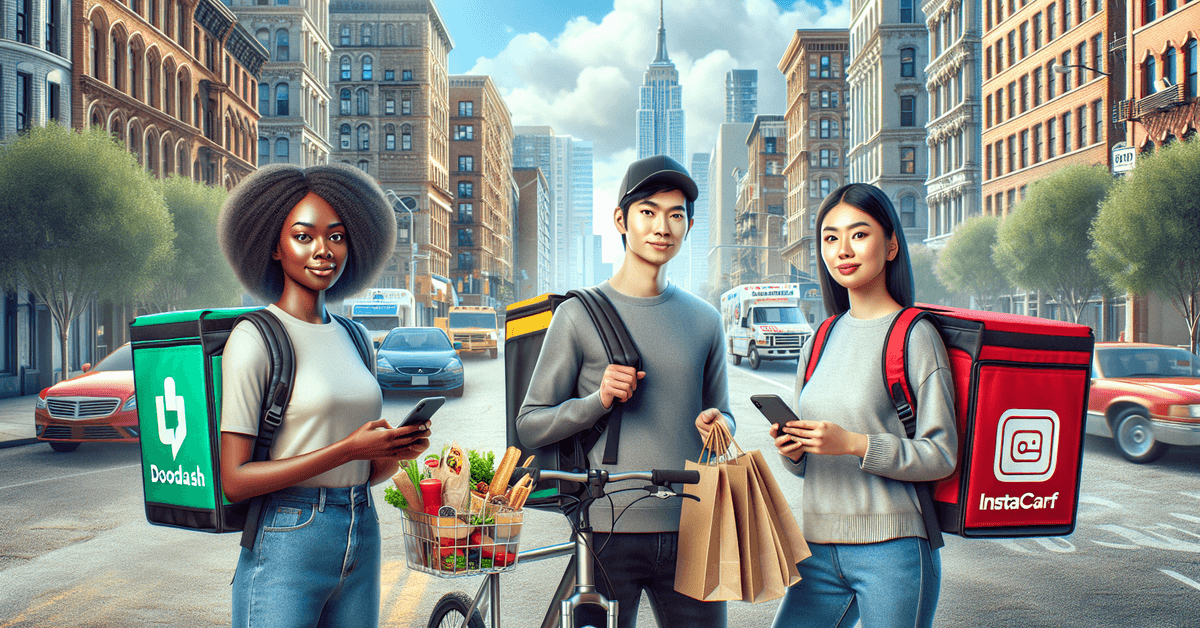
Focusing on grocery shopping and delivery, Instacart relies on “shoppers” to pick out products and bring them directly to customers. Some enjoy the variety, but it can take more time per order than meal delivery.
Shipt
Similar to Instacart, Shipt offers same-day delivery of groceries and household essentials. Contractors may find a more favorable customer base in suburban areas, though coverage isn’t always nationwide.
Amazon Flex
Amazon Flex contractors deliver packages using their own vehicles. It’s different from food delivery but attracts people looking for block scheduling and steadier pay. Routes might take longer, yet compensation is calculated upfront.
Other Niche Apps
Smaller apps like GoPuff and Postmates fill in gaps, focusing on late-night snacks, alcohol delivery, or specialty items.
Their footprints tend to be regional, but they sometimes offer unique incentives that are worth considering. For example, GoPuff has a micro-warehouse model that appeals to those who prefer picking up items in one place.
Becoming an Independent Delivery Contractor: What’s Involved?
The requirements to start as a delivery contractor are fairly accessible for most. With a smartphone, a reliable vehicle or bike, insurance, and a clean background check, individuals can usually sign up easily. Applications are handled online, and the onboarding process is typically fast.
Basic Requirements across Apps
- Valid driver’s license (or state ID where relevant)
- Vehicle (car, scooter, bicycle, depending on city/app)
- Proof of insurance
- Smartphone with updated app
- Passing a criminal background check
- Eligibility to work in the US
These are general requirements; individual apps may have minor differences. Some, like DoorDash, permit bicycle delivery in urban zones.
Many contractors work with two or more apps to keep busy and maximize income opportunities.
How Contractors Are Paid: Earnings and Fees
The payment model is an area where terms can change frequently. Contractors are classified as self-employed and are paid per completed trip.
Rates depend on order size, distance, local demand, and customer tips. Most apps now show payment breakdowns before accepting an order.
Base Pay
All apps provide a base pay for each delivery. Sometimes it’s just a few dollars, and sometimes more, especially if the order is long or challenging.
Incentives and Promotions
Peak pay times and promotional bonuses are a selling point, but not always guaranteed. Contractors often build their own strategies to maximize income by timing their availability.
Tipping
Tips can account for a significant portion of take-home pay. Most customers tip through the app, though practices differ by region and order type. Unpredictability here is part of the job.
Withholding and Fees
Since contractors are not employees, apps don’t withhold taxes or provide benefits. Some charge small service fees; others may deduct costs for instant cash-out options. It’s important to review these details when joining.
| App | Avg. Base Pay (per trip) | Tip Option | Instant Pay |
|---|---|---|---|
| DoorDash | $2.50–$6.00 | Yes | Yes, with fee |
| Uber Eats | $2.50–$5.00 | Yes | Yes, with fee |
| Instacart | $5.00–$10.00 | Yes | Yes, with fee |
| Shipt | $6.00–$12.00 | Yes | Yes, with fee |
| Amazon Flex | $18–$25/hr (block) | No | Yes |
* Figures are for general reference. Actual rates may vary by region or season.
Benefits and Challenges of Working as a Delivery Contractor
The pros and cons sometimes depend on perspective. Flexibility and autonomy are undeniable draws.
Many people appreciate being able to set their own schedules or supplement a primary income without long commitments.
Benefits
- Work anytime, anywhere (within coverage areas)
- No boss, limited direct supervision
- Accessible entry (few upfront costs for many platforms)
- Opportunity to earn more during peak hours
Challenges
- Unpredictable income and customer demand
- Maintenance and gas costs, which are not reimbursed
- Self-employment taxes and no traditional benefits
- Health and safety concerns, especially in crowded or unfamiliar areas
It can be difficult to estimate monthly earnings in advance. Perhaps that’s part of the appeal—there’s a sense of autonomy and unpredictability wrapped together.
Market Trends: The Future of Delivery Apps in the US
The demand for app-based delivery isn’t fading. If anything, shifts in consumer habits continue to drive industry growth.
Hybrid models—like stores offering their own apps or partnering with major delivery companies—are becoming more frequent.
Regulation and Contractor Rights
Gig economy regulation is often in the news. Arguments over worker classification, rights, and minimum-pay guarantees pop up regularly.
The California Proposition 22 debate, for instance, influenced other states to consider similar legislation. Some see these changes as long overdue; others worry about losing flexibility.
Technology Innovations
Apps frequently experiment with AI to route orders more efficiently or match contractors to orders. There’s talk of drones and robots, but those remain limited in practical terms.
For now, opportunities for independent contractors are likely to remain robust, although no one can predict exactly how quickly things will shift.
Legal and Tax Considerations for Contractors
Taxes are often an afterthought, but they play a big role in take-home earnings. Since contractors are not employees, they handle self-employment tax and tracking expenses. Deductions for mileage, phone, and some equipment may help reduce tax liability.
- Contractors may benefit from keeping a detailed log of miles driven.
- Some use apps for mileage and receipt tracking (note: see the IRS guide on self-employment taxes for more details).
- Health insurance and retirement savings need to be arranged independently.
Tips for Choosing and Working with Delivery Apps
These tips can help you assess delivery apps more realistically before committing your time.
- Compare app coverage in your area: Some platforms are busy in large cities, while others perform better in suburbs or smaller towns. Local demand matters more than national brand recognition.
- Test more than one app carefully: Many contractors use multiple apps to reduce downtime, but switching between them requires planning. Start small so you can learn how each one handles orders, earnings, and peak times.
- Track your real expenses: Gas, parking, tolls, maintenance, and phone usage can cut deeply into your earnings. Looking only at gross pay can give a misleading picture of profitability.
- Study peak hours before relying on income: Lunch, dinner, weekends, and bad-weather periods often bring more orders. Knowing these patterns can help you avoid wasting hours online with little return.
- Check payout policies in detail: Instant cash-out options can be helpful, but fees may reduce what you actually keep. Reading the payment terms early can prevent surprises.
- Prioritize safety and practical routes: Some deliveries involve crowded zones, apartment complexes, or unfamiliar neighborhoods. Choosing areas you know well can reduce stress and improve efficiency.
- Read contractor agreements before accepting work: Policies on deactivation, ratings, cancellations, and customer complaints can affect your long-term access to the platform. It is better to understand these rules before problems arise.
- Keep records for taxes from day one: Mileage logs, receipts, and weekly income tracking make tax season far easier. Good recordkeeping also helps you evaluate whether the work is worth continuing.
Conclusion: Navigating the Delivery App World
The US delivery market is a significant source of gig work. While the promise of flexibility draws many, actual experiences can vary.
Staying updated on changes, reading the fine print, and comparing apps could help in making informed decisions.
It’s not for everyone, but it’s an opportunity worth understanding—whether for part-time flexibility or as a main source of income.
If questions linger, looking into user stories, industry news, or official guides may shed light. The world of delivery apps is complex, sometimes unpredictable, yet still full of possibilities.