The gig economy keeps evolving, and more people consider courier jobs. Uber Eats , particularly in Spain, stands out in this space due to its independent contractor model.
Many workers wonder how this arrangement really works, whether it’s sustainable, and what risks or benefits are involved.
This article offers a thorough look for anyone curious about gig work, delivering specifically in Spain, or weighing flexible earning opportunities in the on-demand delivery segment.
Understanding the Uber Eats Independent Courier Model in Spain
Courier work through Uber Eats follows an independent contractor framework. Instead of traditional employment, delivery partners operate as their own business entities, managing routes, schedules, and sometimes expenses.
This may sound liberating, but the implications stretch further than first appearances might suggest.
How Does the Relationship Work?
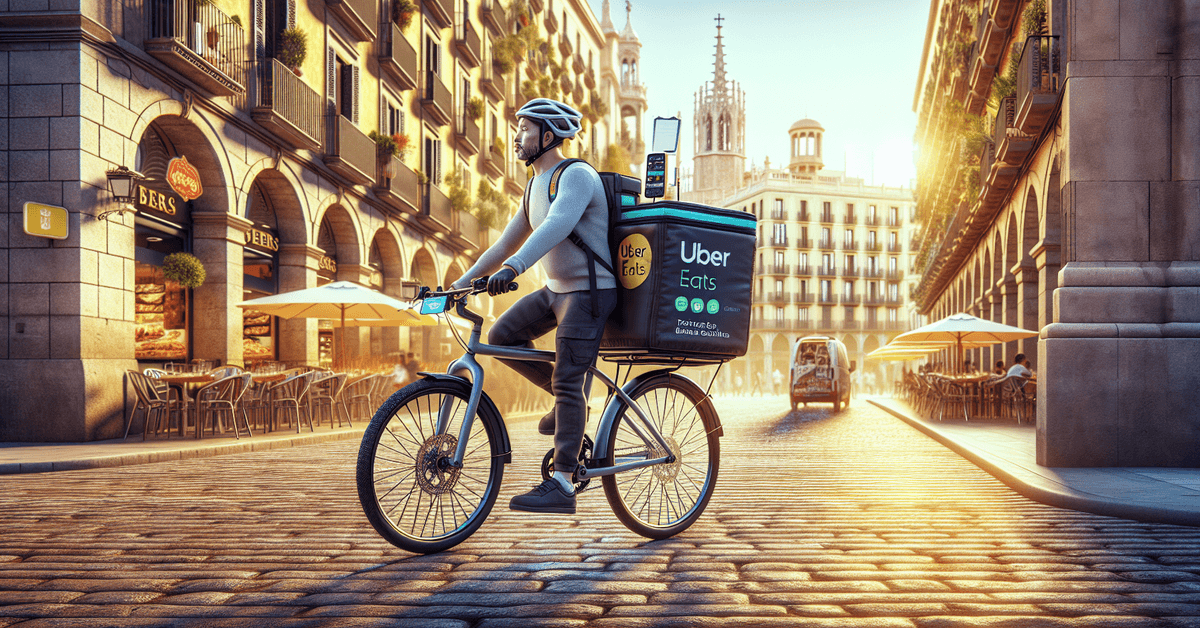
Uber Eats contracts with couriers instead of hiring them as employees. Individuals use the app to accept food delivery requests, set their availability, and navigate.
There is no fixed wage. Earnings come from a fee per order, along with possible bonuses or promotions for high-demand times. The terms are spelled out in the official Uber Eats partner agreements for Spain.
Who Can Become an Uber Eats Courier?
The requirements are not overly strict. Eligible couriers must be at least 18, have a valid ID, and own a compatible vehicle (bike, scooter, motorcycle, or car).
Registration involves submitting paperwork (including proof of right to work) and passing a background check.
For non-EU nationals, an active work permit is a must. Self-employment registration is also necessary to comply with Spanish tax law.
Main Features of the Independent Delivery Model
It helps to break down the core characteristics of Uber Eats’ work arrangement in Spain. This section explores the most critical elements and weighs their practical meaning for couriers.

Flexible Working Hours
Probably the most attractive aspect, flexibility, appeals to students, part-time workers, and career changers.
Couriers work whenever they want, day or night. However, the busiest—therefore most profitable—hours often coincide with traditional meal times or weekends.
Payment System
Earnings are on a per-delivery basis. A basic structure includes a pickup fee, a drop-off fee, and variable distance compensation.
Special offers or quest bonuses may increase weekly payouts around local events or holidays. Still, rates can change with little notice, and earnings might fluctuate week to week.
Personal Costs and Equipment
Any self-employed courier must cover their own operating costs. That includes gas, mobile data, equipment maintenance, and—sometimes—insurance.
Occasional promotions offset costs, but there’s no regular allowance for phone repairs or vehicle wear and tear.
For many, this is a point that deserves close attention. It’s easy to overlook these small, recurring expenses at first.
Autonomy vs. Control
Certain aspects, like choosing which deliveries to accept, foster independence. Still, Uber Eats uses performance metrics to evaluate couriers—completion rates, ratings, and sometimes order acceptance percentage.
Prolonged inactivity or poor ratings may restrict access to lucrative rewards or even result in account deactivation. In short, it’s not total autonomy; it’s a balance of freedom and app-based rules.
Pros and Cons of the Uber Eats Independent Courier Role
No work model is perfect. The independent mode has both supporters and critics. Let’s balance some of the upsides and downsides, especially from a Spanish context.
Key Advantages
- Schedule freedom: No minimum hours. Work whenever suits you.
- Quick start: The application process is mostly digital. You can begin in days, not weeks.
- Low entry barrier: No formal qualifications or degrees required—basic documentation suffices.
- Immediate payouts : With Instant Pay, couriers may access earnings shortly after completing deliveries.
Potential Drawbacks
- No guaranteed wage: Inconsistent order flow means some weeks pay much better than others.
- Self-employment costs : Couriers must register as autónomo (freelancer) and pay for social security.
- Lack of benefits: No paid holidays, sick leave, or unemployment protection, unlike full-time employment.
- Variable workload : Delivery traffic may drop sharply outside main urban centers or in poor weather conditions.
How Much Can a Courier Earn with Uber Eats in Spain?
Estimating earnings isn’t as clear-cut as it may seem. Rates vary across cities, times, and even within the same day.
Still, real-world averages help illustrate what most people might expect. Below is a sample overview.
| City | Average Earnings (€/hr) | Order Volume |
|---|---|---|
| Madrid | 8-12 | High |
| Barcelona | 8-11 | High |
| Valencia | 7-10 | Medium |
| Seville | 6-9 | Medium |
| Smaller cities | 5-8 | Low-Medium |
Source: Public courier community data and independent surveys. Actual results may differ, especially during peak promotion periods or inclement weather.
Legal, Contractual, and Tax Considerations
Regulation in Spain has changed considerably in recent years, especially with the Rider Law (Ley de Riders). This law aimed to clarify employment status for digital platform couriers.
Uber Eats maintains the independent model, so couriers—unless classified otherwise—register as freelancers (autónomos).
This means timely invoice submissions, quarterly VAT returns, and social security payments are all the courier’s responsibility.
Insurance and Workplace Safety
Uber Eats provides limited insurance for some incidents, typically covering on-the-job accidents. Comprehensive health or vehicle insurance is up to the courier.
As for safety, couriers often report mixed experiences; traffic, crime, and unpredictable weather make risk awareness vital. Learning routes and investing in safety gear usually pays off.
How the Model Compares with Alternatives
Uber Eats is not alone in Spain’s delivery landscape. Glovo and Deliveroo, for example, have tested similar models, but worker status and tax obligations sometimes differ. Here’s a simple comparison:
| Platform | Employment Status | Registration Needed | Main Benefit |
|---|---|---|---|
| Uber Eats | Independent contractor | Yes | App flexibility |
| Glovo | Varies (contractor/employee) | Yes | Diverse services |
| Deliveroo | Mostly contractor | Yes | Strong presence in select cities |
Spotting subtle differences helps gig workers decide which model fits their needs. For more on platforms in Europe, consider checking guides to delivery job comparisons.
Practical Tips from Couriers Themselves
After speaking with several Spanish couriers, some practical pointers stand out. Yes, there’s a learning curve.
Mistakes happen—missed turns, forgotten paperwork, even the odd technical glitch with the app. Everyone eventually develops a system that works for them, but here are some typical lessons:
- Know your city’s hot spots: University zones, tourist areas, and business centers often have more orders.
- Track expenses carefully. Over time, even small maintenance bills add up. Budgeting monthly helps avoid unwelcome surprises.
- Upgrade equipment as you go: Sturdier bikes, power banks, and weatherproof clothing can boost efficiency.
- Network with peers : Local courier groups, often found through social media or dedicated forums, share route advice and warnings about problem spots or new rule changes.
Future Outlook: Where Is the Gig Model Heading?
It’s a bit tricky to predict long-term trends, but regulation and technology keep changing the landscape.
Will more workers become formally employed, or will digital platforms continue to pursue the independent route?
It’s an open question that likely depends on new laws and consumer expectations, as well as wider economic trends.
Conclusion – Is the Uber Eats Independent Courier Model Right for You?
Pursuing gig work as a courier can offer genuine freedom, skill-building, and quick entry to flexible income streams.
Yet, it comes with built-in uncertainty, responsibility for your own taxes and insurance, and sometimes unpredictable demand.
Individual priorities—like need for flexibility or desire for regular income—will shape how someone weighs these factors.
Exploring your options and doing a personal cost-benefit assessment may help illuminate whether delivering via Uber Eats in Spain matches your needs.
Perhaps the best approach is to start small, gather experience, and adjust as you learn what fits you best.