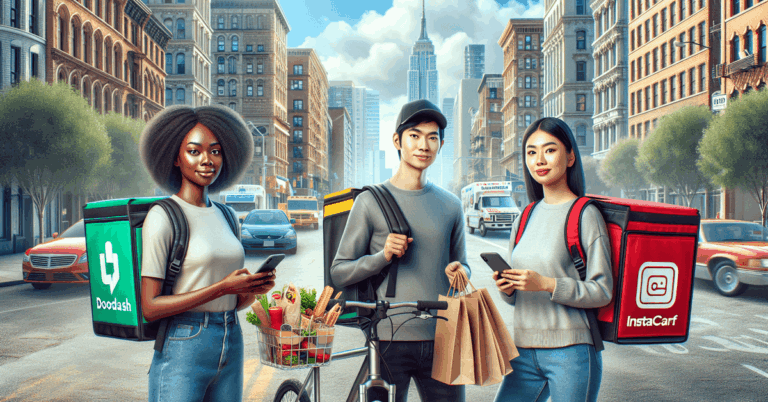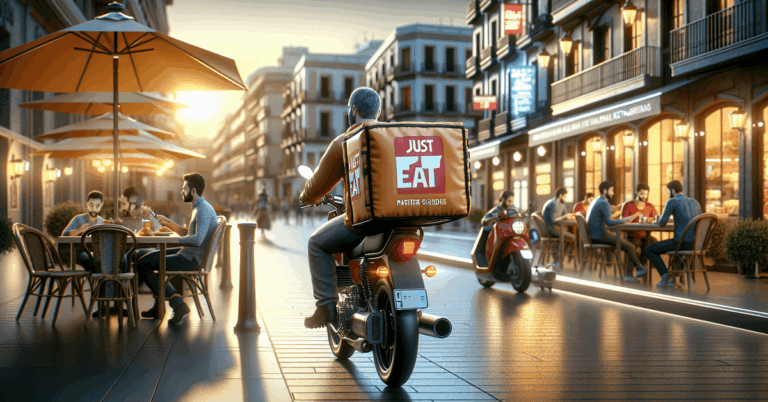
The food delivery sector in Europe has evolved rapidly in recent years, reflecting changes in consumer preferences and technology. Today, consumers enjoy more options, while couriers and restaurants access new opportunities, too.
This landscape offers a layer of complexity and choice, raising constant questions about which platforms are leading and why their approaches differ so widely.
This article is helpful for anyone interested in understanding how major European food delivery companies compare, whether you’re a courier considering work, a restaurant thinking of partnerships, or simply curious about this dynamic sector.
Why Food Delivery Is Booming Across Europe?
Urbanization, digital convenience, and busy lifestyles have together boosted the need for speedy meals delivered straight to homes.
After the pandemic, food delivery became more than just a luxury—it’s now a habit for millions.

Widespread Access and Digital Payment
With a smartphone and stable internet, most Europeans can access a range of food apps. Digital wallets and contactless payment make the process even easier, adding to the sector’s overall appeal.
Growing Variety and Consumer Choice
European cities now offer everything from local delicacies to international chains via delivery. This diversity has helped fuel ongoing growth in nearly every market.
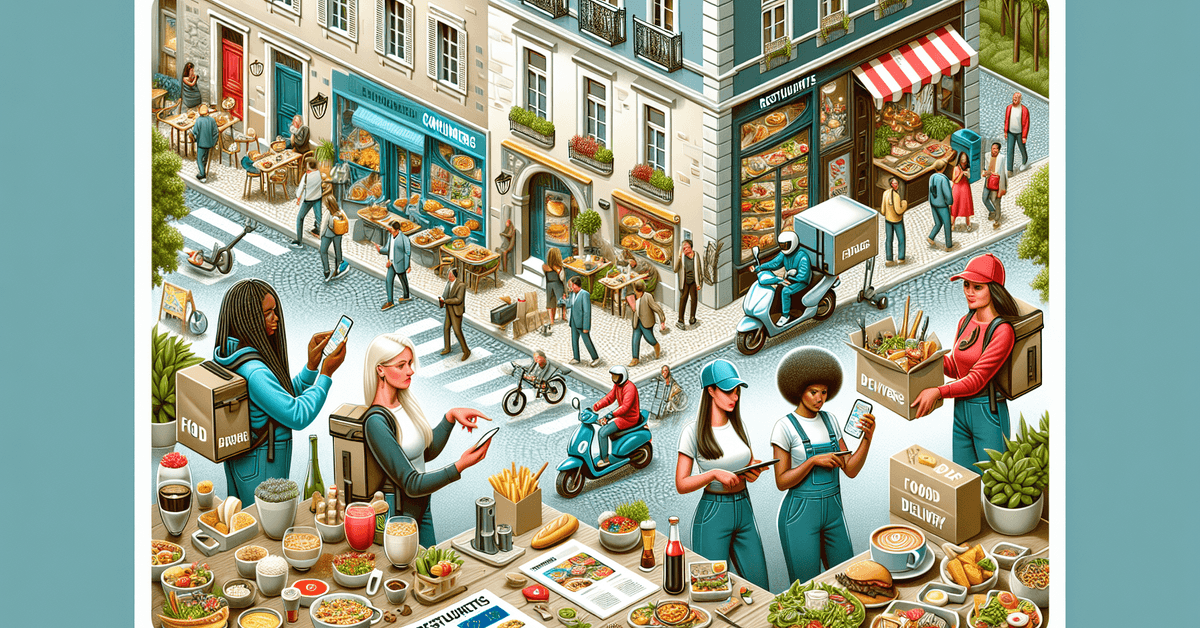
Flexible Job Options
Food delivery platforms have become a significant source of income, especially for those seeking side gigs or flexible schedules.
Competitive rates and bonus schemes attract many potential couriers to join the industry.
The Leading European Food Delivery Platforms
While competition is fierce, a core group of platforms holds most market share. Here’s an overview of Europe’s principal food delivery networks, with a focus on their strengths and operational nuances.
| Platform | Main Regions | Unique Selling Point |
|---|---|---|
| Uber Eats | All over Europe | Massive restaurant network, global tech resources |
| Glovo | Spain, Eastern Europe, Italy | Multi-category delivery, beyond just food |
| Deliveroo | UK, Ireland, select Western Europe | High-end restaurant focus and service quality |
| Just Eat | UK, Nordics, Central Europe | Expansive choice, well-known household name |
| Wolt | Northern and Central Europe | User-friendly app, sleek design, local partners |
This table presents some of the most influential players, but there are regional specialists in countries like France, Germany, Poland, and beyond.
Each has carved out a distinct role, sometimes through aggressive pricing or targeted services.
Key Differences Between Platforms
Choosing a food delivery service can depend on various factors—sometimes, the price is crucial; at other times, delivery speed or variety takes priority. This section reviews the unique features and limitations of the primary platforms.
Restaurant Network and Menu Selection
Some platforms like Uber Eats and Just Eat offer the broadest selections, from fast food to niche bistros.
Deliveroo often emphasizes premium and local options, which might appeal to those valuing quality over sheer quantity.
Coverage and City Penetration
Glovo and Wolt service cities in Southern, Central, and Northern Europe, bringing local favorites that global operators occasionally miss.
Sometimes, coverage depends on historical presence or licensing, so it’s always shifting a bit.
Service Fees and Customer Incentives
Most sites charge both delivery and service fees, which fluctuate by region and time. Occasional coupons or meal deals mean that the least expensive option isn’t fixed—and promotions rotate rather unpredictably, which can be both a surprise and a letdown.
Working as a Food Courier: Platform Comparisons
Certain readers are seeking the best app for couriers to earn money. The following subsections break down essential aspects such as pay models, flexibility, and onboarding requirements.
Pay Structure and Payout Cycles
- Uber Eats: Pays per order with surge bonuses in peak periods; generally reliable scheduling.
- Glovo: Known for transparency, but payout timing can vary by country.
- Deliveroo: Mix of per order and distance-based earnings; some high-earning nights but slow stretches, too.
- Just Eat: May offer hourly guarantees in certain regions, making it a safer bet for those wanting income security.
- Wolt: Clear rate cards, weekly payouts; sometimes, a bit limited by location density.
Onboarding and Requirements
Most platforms require a background check, basic documentation, and ownership of a scooter, bike, or car. Onboarding is often quick, though the wait can be longer in high-demand cities.
Countries have different rules—sometimes frustratingly so—especially regarding work permits or independent contractor regulations.
Gig Flexibility and App Usability
With apps like Wolt or Glovo, the interface is intuitive, and scheduling is extremely flexible. However, during off-peak times, it can be difficult to secure enough orders for a full-time income.
Some people might find this frustrating, but others see it as a fair trade for the independence.
Challenges Facing European Food Delivery Apps
While growth continues, platforms are under pressure from labor laws, rising costs, and environmental concerns.
These challenges are often highly politicized, making it hard to know exactly what might happen next.
Regulation and Worker Rights
Gig worker classification is debated in many countries, with some governments requiring platforms to hire couriers as employees rather than contractors. This could affect commission rates, service fees, and ultimately consumer prices.
Environmental Pressures
As eco-awareness rises, platforms are exploring packaging changes and greener delivery methods.
Electric bikes and reusable containers are more common, although there’s some debate about real-world impact versus marketing hype.
Choosing a Platform in 2024: Poorly-Kept Secrets and Personal Factors
So, is there a clear winner? Not exactly. The ‘best’ food delivery app depends heavily on local coverage, personal taste, and service quality in each city.
There are always rumors in forums—some saying one app pays better, others claiming superior customer service on another—but reviews are often mixed.
Repeating a little: where you live makes a big difference. For many, experimenting with a few platforms before settling is the most practical approach.
Tips for Choosing a Delivery Platform
- Check local coverage first: The best app often depends on your city.
- Compare fees and promos: Prices can change a lot by time and platform.
- Review courier terms carefully: Pay models and flexibility are not the same.
- Look at restaurant variety: Some apps focus more on choice, others on quality.
- Test more than one option: Real experience is often the best comparison.
Conclusion: Decision Factors in the Evolving Food Delivery Space
The European food delivery market remains a dynamic and sometimes unpredictable industry. Whether choosing as a customer, a courier, or a restaurant partner, platforms like Uber Eats, Glovo, Deliveroo, Just Eat, and Wolt all offer something unique.
The best option? It might just depend on your priorities, city, and level of patience for the platform’s quirks.
For further exploration, a comparison of individual courier experiences or city-by-city trend breakdowns could add even more perspective.
Until then, staying informed and adaptable seems the most sustainable approach for anyone engaging with this sector.