
The EBT Card Program plays a vital role in helping millions of Americans access nutritious food. If you’re unfamiliar with EBT or SNAP benefits , this article aims to provide a clear, practical overview.
It’s especially useful for those considering applying for assistance or just looking to understand how the process works.
So, what does EBT actually mean in daily life? Perhaps you’ve seen these cards at local grocery checkout lines, or you may be wondering if you or someone you know could be eligible.
Understanding the basics of SNAP, EBT usage rules, and benefit structure can make a real difference for individuals and families navigating tough economic situations
What Is SNAP and How Does the EBT Card Work?
SNAP, the Supplemental Nutrition Assistance Program , is a federal initiative providing financial support for purchasing food.
The benefits are distributed via an Electronic Benefit Transfer (EBT) card, functioning like a standard debit card—though with unique features and limitations.
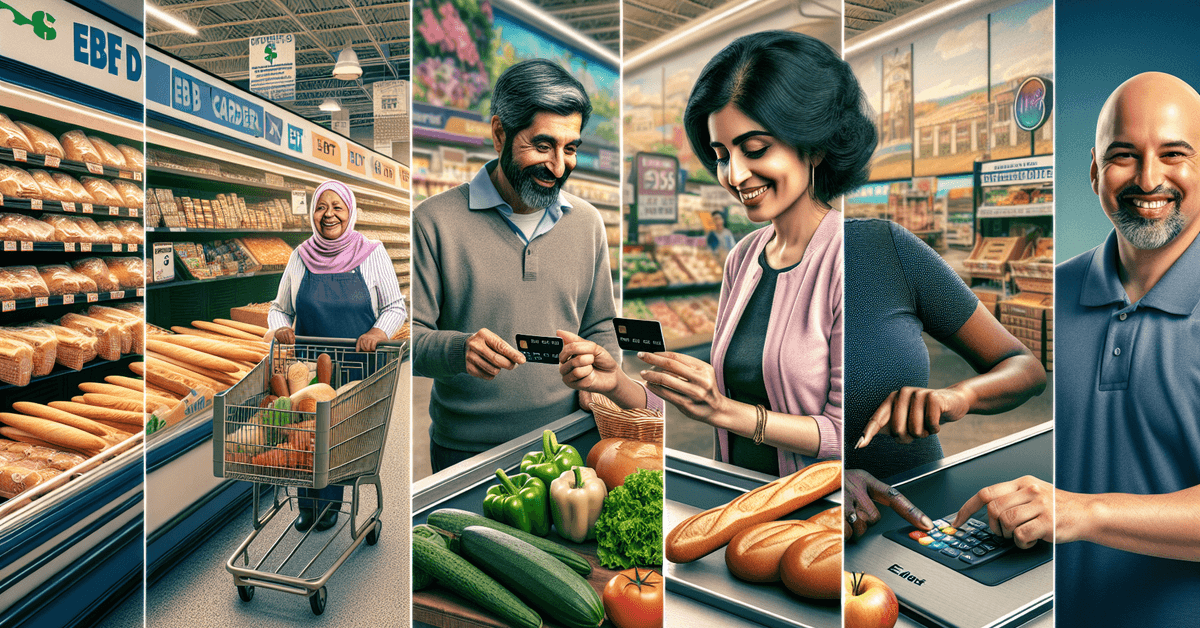
The core idea behind SNAP is not merely to reduce hunger, but to ensure people have dignified, private, and modern means of buying food.
That’s where EBT cards come into play, offering a more secure and efficient method than paper coupons from previous decades.
SNAP Benefits: Who Is Eligible?
Eligibility for SNAP benefits involves several factors, often including household income, resources, and family size.
Some exceptions apply, such as for seniors, people with disabilities, or households with children. State agencies review applications and determine eligibility based on federal guidelines, but small variations exist by state.
Generally, it’s not always clear-cut. Someone may qualify one year but not the next, since income and household changes can impact eligibility.
Each case is handled individually, aiming to match assistance to real needs. For up-to-date information, checking your state’s SNAP office website is a good idea.
How Much Assistance Does the EBT Card Provide?
The total benefit amount is calculated based on various household factors—things like income, expenses, and the number of family members.
While some may find the assistance limited, even partial support can help bridge the gap between paychecks or during periods of transition.
It’s important to note that benefit levels are reviewed and updated annually. Sometimes, people find the process a bit confusing.
A sample monthly breakdown for different household sizes helps illustrate the variation in SNAP support:
| Household Size | Max Monthly SNAP Benefit (2024) |
|---|---|
| 1 | $291 |
| 2 | $535 |
| 3 | $766 |
| 4 | $973 |
| 5 | $1,155 |
Where and How Can You Use an EBT Card?
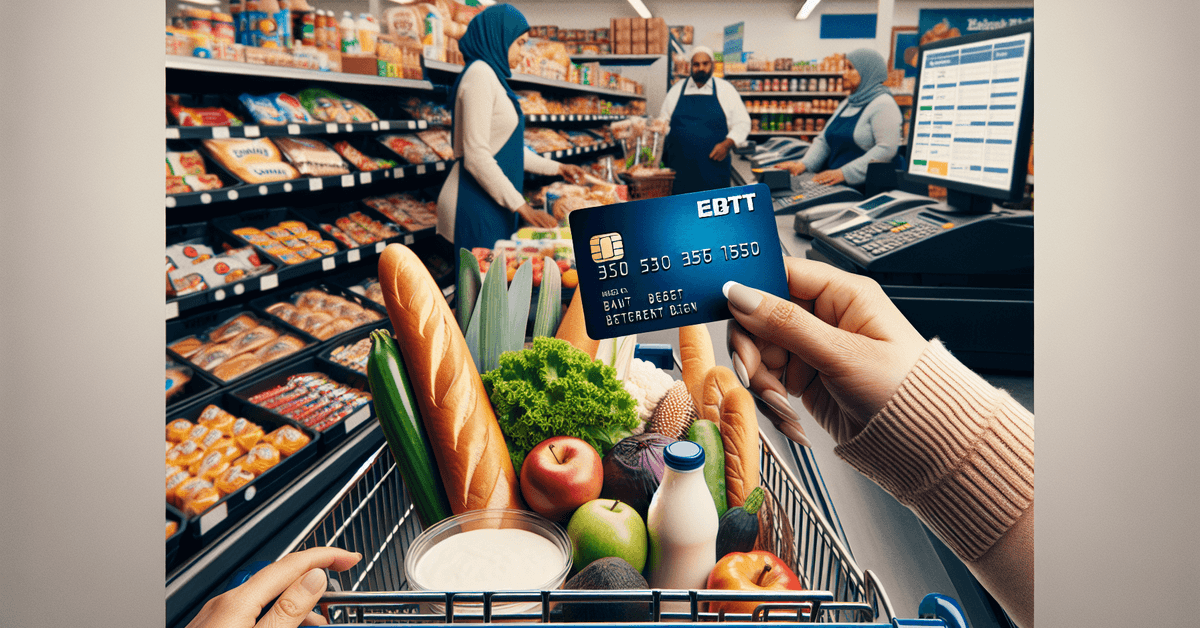
The EBT card is accepted at authorized retailers nationwide—supermarkets, grocery stores, farmers’ markets, and sometimes online grocers.
Some notable platforms, such as Amazon and Walmart, accommodate EBT payments in selected states.
Retailers who accept EBT usually display a sign or sticker at their entrance, but occasionally the process isn’t as seamless as it could be—sometimes machines are down, or staff aren’t fully familiar with the system, especially outside urban areas.
Still, most users find that using their EBT card is a relatively straightforward experience. Transactions work similarly to regular debit cards, although the system will only approve eligible purchases.
Common EBT-Eligible Food Items
- Bread and cereals
- Fruits and vegetables
- Dairy products
- Meat, fish, and poultry
- Seeds or plants that produce food
Items Not Covered by SNAP/EBT
- Alcohol or tobacco products
- Vitamins or medicines
- Prepared hot foods (with exceptions in some pilot programs)
- Household supplies
- Pet food
Important EBT Card Usage Rules
The usage rules for EBT are fairly straightforward, but there can be nuances. For one, EBT funds must be used solely for food and food-producing items.
Attempting to buy restricted goods can result in a declined transaction—or, in repeated cases, even loss of benefits.
Some states offer specific guidelines around farmers’ markets or restaurant purchases for seniors or the disabled.
These special conditions allow for more flexibility but are always state-specific. If you’re uncertain, reading your local state’s guidelines is generally wise. There’s also a federal retailer locator to help find EBT-authorized stores in your area.
Checking Balances and Transaction History
Most states supply a toll-free phone line, a website, or an app for checking EBT balances. Receipts after each purchase typically display the remaining amount.
If you misplace your card, reporting it to your state’s SNAP office as soon as possible is critical—funds on lost or stolen cards might not always be recoverable.
Digital Access: Managing EBT Benefits Online
Managing an EBT account online offers some convenience. Many state agencies provide mobile apps or online portals for tracking spending, checking balances, and sometimes reporting issues.
But, as with all online systems, occasional glitches do occur. Not everyone feels comfortable with apps; often, a phone call is the preferred backup.
Security is also essential. Even though EBT cards look like regular debit cards, it’s good to be cautious.
Sharing your PIN or personal data could put your benefits at risk of theft or fraud. If something feels off, contacting your state SNAP office directly remains a safe bet.
Additional SNAP and EBT Tips
- Keep track of benefit deposit dates—usually scheduled monthly.
- Understand the difference between SNAP and cash assistance (TANF can sometimes be loaded onto the same EBT card).
- Plan grocery lists with eligible items to avoid checkout hiccups.
- Review all receipts and totals for accuracy after shopping.
- If funds run low, some food banks coordinate closely with SNAP households.
EBT Card Program: Rights and Responsibilities
Using the EBT card is a privilege with guidelines—but also with rights. Households should always receive adequate information about how much assistance is available, what can be purchased, and how to report problems or appeal denials.
Sometimes, notification letters or account information arrive by mail or electronically. If something is unclear, state SNAP representatives usually respond quickly to questions.
Misuse, such as selling SNAP benefits, can result in serious penalties, ranging from temporary disqualification to criminal charges.
While most users follow the rules, misunderstandings sometimes happen. Clarity and transparency are central to the program’s effectiveness and trust.
Conclusion: Making the Most of the EBT Card Program
The EBT card program isn’t merely a technical process—it’s a social support system. SNAP benefits, managed through EBT, help ensure that healthy food is within reach, regardless of life’s unpredictability.
Eligible households can make smart choices about where, what, and how to buy, while following the necessary rules to keep their support secure and continuous.
With a little planning and perhaps a bit of patience, managing SNAP benefits becomes less daunting and more routine over time.
For deeper dives on food security, grocery savings, or other benefit programs, related posts on this blog might offer valuable perspectives.
Every little bit of knowledge supports a healthier, more stable future—for individuals, families, and communities alike.