
Costa Coffee is a name that many recognize for its signature drinks and welcoming atmosphere. Although you might picture just making espresso or perfecting cappuccinos, a barista career here goes considerably deeper.
If you’re exploring hospitality opportunities in Spain, understanding what it means to be a Costa Coffee barista can help clarify your options and expectations.
What Does a Costa Coffee Barista Do?
Daily routines at Costa Coffee are quite dynamic. There’s a core set of responsibilities every barista absorbs, which naturally evolve after time and training.
These tasks, while sometimes repetitive, keep the store humming and customers satisfied.
Main Customer Service Responsibilities
Baristas at Costa Coffee interact with all sorts of customers. Greeting guests, taking orders with patience, and offering helpful suggestions are part of the norm.
Sometimes guests might be undecided—or just shy. Baristas learn to read these cues to create a friendly environment.
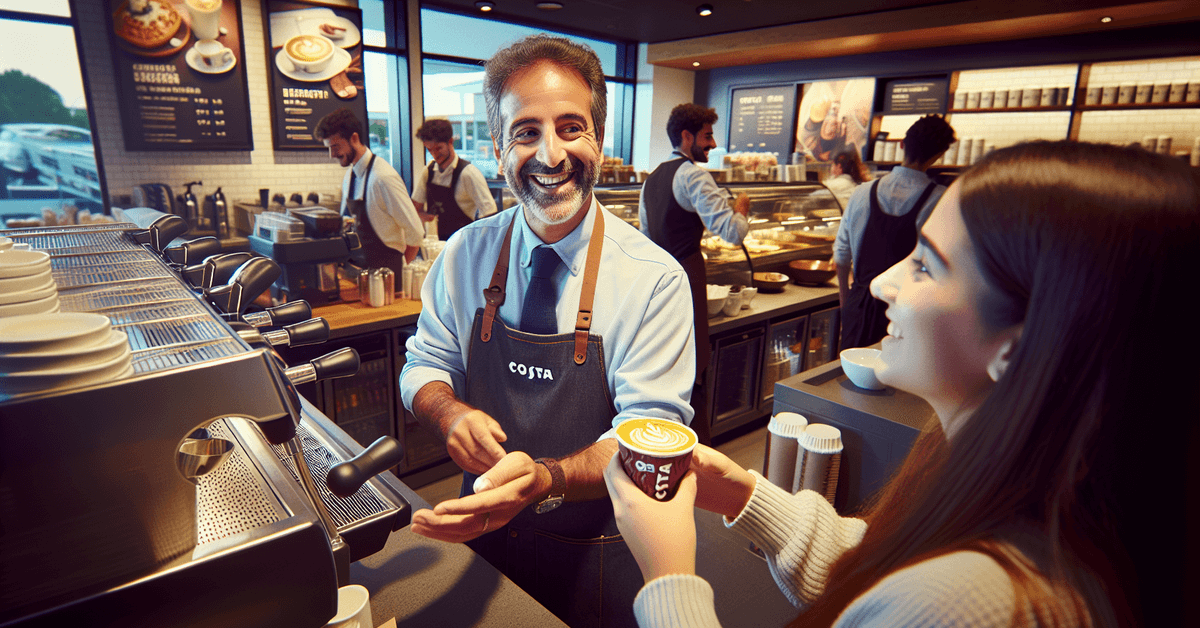
Preparing Drinks and Food
Espresso-based drinks form the heart of the menu. Costa baristas use professional coffee machines to prepare cappuccinos, lattes, and flat whites.
There’s also non-coffee beverages, such as teas and cold drinks, plus food items like pastries, sandwiches, or wraps. Preparation here follows strict safety and cleanliness standards.
Maintaining Store Presentation
Cleanliness is a constant. Baristas rotate tasks like wiping tables, restocking supplies, and keeping the counter organized.
This meticulousness isn’t just for guest comfort; it’s also a hygiene essential. Floors, machines, and display areas all demand regular attention.

Team and Back-of-House Duties
Collaboration is crucial. At busy times, baristas help each other during rushes, share restocking, or step into support roles.
There are often moments of lightheartedness—some days, multitasking becomes almost an art form.
The Training Process for Costa Coffee Baristas
New team members don’t need to arrive as coffee experts. Costa Coffee offers structured training to build skills and confidence over time. Early on, there’s a focus on customer interaction and learning the menu.
Onboarding and Classroom-Style Training
Most new hires attend orientation sessions. These introduce company values, safety guidelines, and key workplace policies.
Baristas learn the basics of food hygiene, proper equipment use, and customer approach. Training usually happens in-store, guided by more experienced team members.
Hands-On Espresso Skills
Skills are developed progressively. Baristas start with simpler drinks before moving on to more elaborate ones. Repetition helps.
Mistakes, quite honestly, do happen. Supervisors offer gentle corrections—perhaps a lesson in frothing milk or choosing the correct grind size.
Progress Checks and Continuous Learning
Feedback from team leaders marks each phase, allowing baristas to absorb best practices. Periodically, there may be refresher courses, updates on new menu items, or tips for upselling.
In some regions, qualifications like a “Barista Maestro” exist for advanced skills and leadership roles.
What Skills and Qualities Suit This Role?
Patience is definitely helpful, as the pace can swing between slow mornings and crowded afternoons.
A positive attitude makes tough days easier—and helps with team synergy. Attention to detail matters for both food safety and customer orders.
- Adaptability in changing circumstances
- Communication skills for clear guest interaction
- Basic math: handling payment and change
- Reliable timekeeping and punctuality
Working Hours and Flexibility
Schedules can vary. Most Costa Coffee shops in Spain offer part-time and full-time positions. Shifts may include early mornings, afternoons, evenings, and sometimes weekends. For students or those balancing other jobs, this flexibility often appeals.
Salary and Benefits for Costa Coffee Baristas in Spain
Compensation can be a deciding factor. As of 2024, entry-level baristas generally earn between €1,100 and €1,350 per month for full-time roles.
Additional benefits sometimes include employee discounts, a uniform, paid holiday, and statutory social security participation.
| Position | Monthly Salary (Approx.) |
|---|---|
| Entry-Level Barista | €1,100 – €1,250 |
| Experienced Barista | €1,250 – €1,350 |
| Barista Maestro / Supervisor | €1,350 – €1,500+ |
This range sometimes differs by location, cost of living, and store size. In larger cities, there may be slight boosts for night or weekend shifts.
Opportunities for Progression
The company does offer clear progression steps. Experienced baristas may become shift leaders or move into the “Barista Maestro” role.
There’s not an instant leap—gaining trust and expertise usually takes time—but growth is possible.
Challenges and Realities of the Barista Role
Like any job in hospitality, working as a barista has its share of pressures. Managing peak times, demanding customers, or unexpected shortages can sometimes affect morale.
However, these are balanced by quieter shifts, camaraderie, or the occasional customer delight with a well-made drink.
How to Join Costa Coffee in Spain?
Those interested can check the Costa Coffee Careers page for current vacancies in Spain. Some local job portals also list barista openings.
As with other jobs, a short CV and an openness to customer-facing work are useful starting points.
Internal link suggestion: Learn more about hospitality job trends in our article on the hospitality job market in Spain .
Typical Day in the Life of a Costa Barista
Mornings often start with machine checks, prepping pastries, and reviewing daily goals. Throughout the day, the tempo rises and ebbs.
Although there’s a set list of tasks, no two days feel precisely alike. Not everyone enjoys the unpredictability, but it does keep things interesting.
What Makes Costa Coffee Different?
Compared to smaller cafés or other international chains, Costa emphasizes standardized procedures and comprehensive support for its staff.
There might not be as much creative freedom as at an independent café, but consistency and reliability are prioritized.
Tips for Succeeding as a Costa Coffee Barista
- Learn the menu as early as possible so you can take orders confidently, answer customer questions quickly, and suggest suitable drinks or food items.
- Stay calm during busy periods because rush hours are part of café work, and keeping a steady pace helps you avoid mistakes with drinks and payments.
- Focus on customer interaction since friendly service often matters just as much as the quality of the coffee.
- Pay close attention to cleanliness by keeping counters, machines, and tables in order throughout the shift, not only at opening or closing time.
- Be open to feedback during training because small corrections on milk texture, drink prep, or speed can improve your performance much faster.
- Support your team whenever possible, as strong teamwork makes busy shifts smoother and helps create a better work environment.
- Show reliability with your schedule because punctuality and consistency are often noticed first when supervisors consider staff for advanced roles.
- Treat the job as a skill-building opportunity since experience in customer service, food handling, and fast-paced teamwork can help in many future hospitality roles.
Key Takeaways
Becoming a barista at Costa Coffee in Spain encompasses more than just making drinks. It represents a blend of service, food safety, teamwork, and the potential for growth.
While not every day is perfect, the skills gained here can prove valuable in many future paths.
If you’re weighing your options, perhaps this overview can spark a closer look at what’s possible in coffee hospitality.
More insights are always available—the landscape continues to evolve, and each experience shapes the next.