
Chick-fil-A is renowned for its commitment to exceptional customer service . The brand’s hospitality is not an accident—it’s deeply rooted in strict team member expectations and carefully crafted service rules.
For those curious about what drives Chick-fil-A’s standards, especially in Spain ( [ES] ), the process is fascinating.
Understanding these core principles can be helpful for job seekers, restaurant professionals, or even regular customers interested in how top food service chains maintain high quality.
Perhaps you’ve wondered what sets one QSR (quick-service restaurant) apart from the rest or how these traditions develop locally. This article offers an in-depth look, unpacking the who, what, and why behind Chick-fil-A’s service experience.
Why Chick-fil-A Prioritizes Hospitality and Service Excellence?
To understand Chick-fil-A’s approach, it’s important to consider why hospitality is central to the brand philosophy.
While the familiar “my pleasure” has become a catchphrase, the practice goes much deeper.
The company’s founding values emphasize care, both for customers and employees, which drives everything from hiring decisions to daily operations.
There’s a business incentive, too—happy guests are loyal; loyal guests return more often.
Over time, this has a significant impact on brand reputation and even sales, especially in competitive markets outside the US, such as Europe and specifically Spain.
Core Expectations for Chick-fil-A Team Members
Team member responsibilities at Chick-fil-A can appear straightforward at first glance, but the level of detail and consistency required is surprisingly high.
New hires undergo extensive training to master both technical tasks and soft skills, with a clear focus on the brand’s hospitality standards.
Jobs vary from guest-facing roles to kitchen duties, yet the underlying expectations remain remarkably consistent.
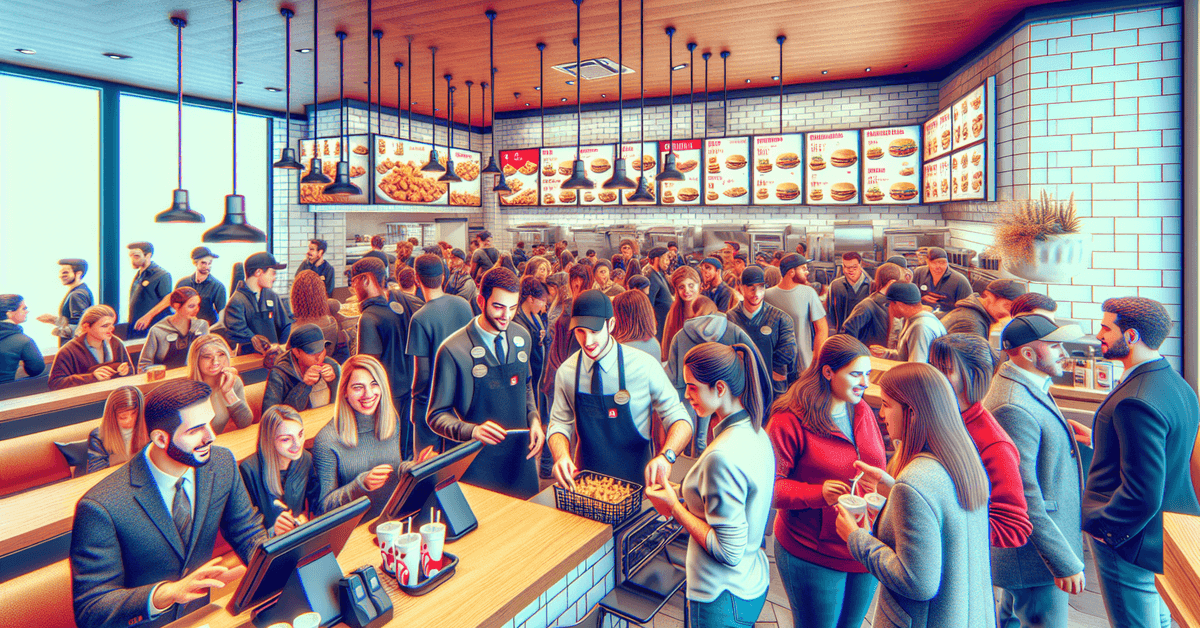
Punctuality and Professional Presentation
Chick-fil-A’s rules for punctuality reflect an operational need. Each shift begins at the exact scheduled time, not a moment later.
Timeliness suggests respect for both fellow team members and guests. Uniform standards are equally important.
Outfits must be clean, pressed, and properly fitted—this helps convey confidence and reassurance to guests. Small details, like name tags and neat hairstyles, are regularly checked.
Polite Communication and Courtesy Practices
Interactions with guests are structured around politeness, but not in a cold or scripted manner. Team members are encouraged to greet every customer warmly and with eye contact.
Phrases like “how may I serve you today?” or the famous “my pleasure” are guidelines, but the broader goal is to make every guest feel seen and valued.
Questions are answered promptly; hesitation is discouraged unless clarity is needed. Team members are also trained to apologize sincerely if an issue arises.
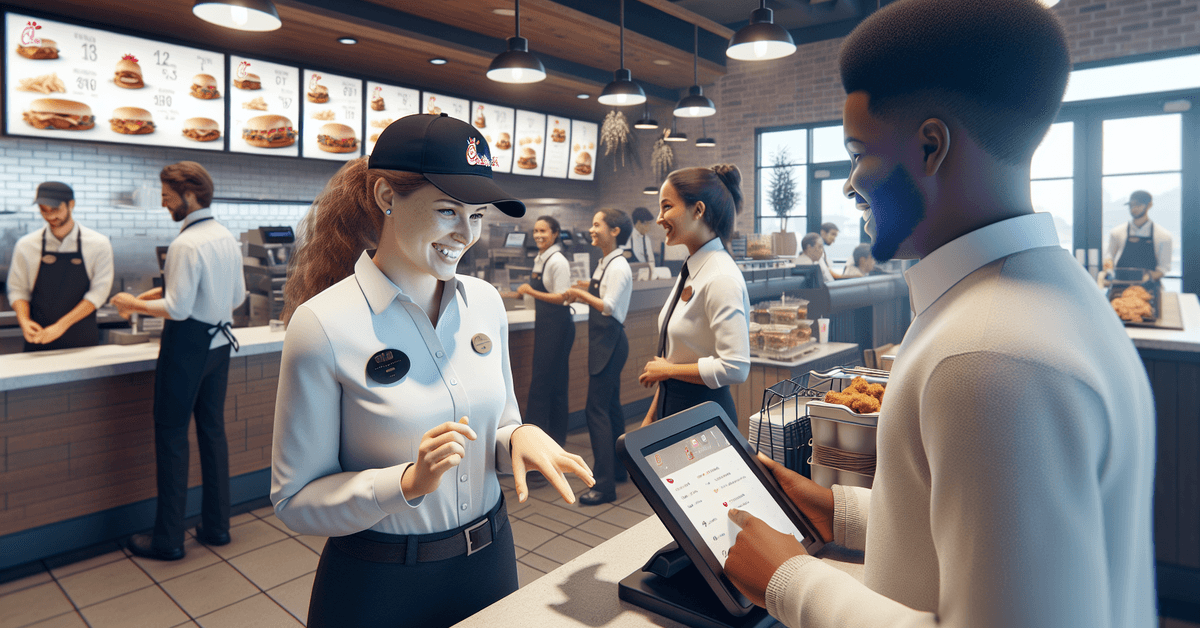
Attention to Detail in Service
Every order is checked for accuracy before it leaves the counter. Mistakes are rare, though not impossible—when they happen, team members address them calmly and helpfully. Table service, when offered, is approached with extra care.
For example, team members may scan the dining area for guests needing refills or condiments without waiting for a request. This anticipatory service sets Chick-fil-A apart from many QSR competitors.
Essential Service Rules at Chick-fil-A
Rules at Chick-fil-A go beyond what’s written in a typical employee manual. There are clear “non-negotiables,” but also a philosophy about going above expectations.
Some rules feel obvious to any hospitality expert; others are tailored to Chick-fil-A’s unique brand promise.
Greeting Guests Promptly
No guest should ever wait more than a few moments before being greeted. Whether at the counter, drive-thru, or even outside, quick recognition is foundational.
Timing matters—team members are taught to notice and address even subtle forms of guest frustration or waiting.
Consistent Language and Positive Attitude
Language is a big part of Chick-fil-A’s experience. “No problem” is discouraged; instead, positive phrases such as “my pleasure” help create a gentle, affirming environment.
Still, team members are allowed some flexibility—it’s not a strict script, but a suggestion to uphold a certain tone and attitude.
Handling Special or Unique Requests
Not every guest asks for the same thing. Some requests may seem odd at first—extra sauces, menu customizations, or even a special table seating.
Chick-fil-A encourages staff to never dismiss these outright. Instead, team members are empowered to find a solution whenever possible, asking a supervisor if uncertain.
Teamwork and Supportive Culture
Working the front counter or the back kitchen, every individual supports the rest of the team. Employees often rotate duties mid-shift or help cover high-traffic moments.
If a colleague needs assistance, others are expected—though not forced—to offer help. This culture is emphasized in training as much as any technical skill.
Hospitality Adaptations for European and Spanish Markets
Chick-fil-A’s approach in Europe, and especially in Spain, reflects some local adaptations.
For example, personal space and formality may differ; team members learn to read the cultural cues of their guests.
Gestures, greetings, and even word choice can be adapted without losing the Chick-fil-A essence. This helps guests feel comfortable and respected, whether they’re local residents or visiting tourists.
Local Menu Additions and Guest Engagement
Part of hospitality in Spain involves offering products and experiences familiar to local tastes.
Team members may explain regional menu items or offer suggestions based on a guest’s apparent preferences.
This extra care signals that the chain values local culture—not just its own playbook.
Training and Continuous Improvement
Initial onboarding at Chick-fil-A is rigorous. However, training is ongoing, with refresher modules and hands-on coaching for all staff.
New concepts in hospitality are incorporated regularly, allowing teams to improve over time.
In Spain, this might include language support, cultural sensitivity, or even crisis management—adapting to anything from a busy festival to unexpected kitchen challenges.
Mentoring and Feedback Loops
Team leads play a big role in reinforcing hospitality standards. They observe daily service, provide real-time coaching, and invite feedback from new hires.
If issues are identified, they’re addressed gently but promptly. Team members are encouraged to ask questions if unsure about a procedure or a guest request.
Legal and Ethical Service Considerations
Working in the food service industry, particularly in Europe, comes with strict health and safety regulations.
Chick-fil-A team members receive detailed training in food safety, workplace hygiene, and customer privacy. Rules cover proper handwashing, allergen management, and safe food storage.
Ethical considerations—such as nondiscrimination and respect for guest privacy—are also stressed, aligning with both local law and Chick-fil-A values.
Tips for Prospective Team Members
- Brush up on soft skills—empathy, politeness, and clear communication can be as valuable as technical abilities.
- Familiarize yourself with local customs or phrases if working outside your home country.
- Expect to learn through experience; even the best onboarding can’t cover every situation.
- Request feedback from supervisors and peers to continually refine your approach.
Comparing Chick-fil-A Service: Table Example
| Aspect | Chick-fil-A | Typical QSR |
|---|---|---|
| Greeting | Prompt, personalized | Variable, sometimes scripted |
| Order Accuracy | Double-checked | Occasional oversight |
| Language | “My pleasure,” positive | Neutral phrases |
| Special Requests | Accommodated where possible | Frequently limited |
| Teamwork | Highly collaborative | Mixed, depends on staff |
For readers interested in digging deeper into hospitality careers, consider reviewing articles such as Restaurant Customer Service Skills or Fast Food Job Expectations for more practical advice and real-world examples.
Conclusion: The Value of Thoughtful Service
Chick-fil-A’s hospitality model is rooted in respect, care, and diligent attention to both guest and team needs.
Expectations are high, but so are the levels of support for every team member. Whether navigating a lunch rush or accommodating unique requests, thoughtful service remains a priority.
For anyone considering working in quick service or simply interested in the industry’s best practices, Chick-fil-A offers a robust example—one that blends tradition, innovation, and a genuinely human touch.
See more resources on European hospitality careers or Spanish workplace etiquette for hands-on tips and real experiences.