
Amazon Delivery Partners play a crucial role in the booming e-commerce sector across Spain. For those considering joining this workforce, understanding how pay is structured and what vehicles are required can be a bit confusing at first.
The prospect of flexible work, competitive earnings, and independence is appealing, yet there’s plenty to weigh up before getting started. This article aims to clarify how Amazon delivery partner compensation works in Spain, plus a thorough look at what kind of vehicles can be used.
It’s specifically for individuals interested in gig economy work, job seekers eyeing extra income, or entrepreneurs considering their own delivery fleet. Ultimately, understanding these details may help inform decisions and ensure compliance with official guidelines.
How Amazon Delivery Partners Earn in Spain?
Delivery partner compensation through Amazon is not as simple as an hourly wage. It’s shaped by different factors—geography, scheduling, vehicle expenses, and even daily demand.
In Spain, most delivery partners either work directly with Amazon Flex or join larger Delivery Service Partners (DSPs), which are independent businesses contracted by Amazon.

Amazon Flex: The Independent Contractor Model
Amazon Flex drivers act as independent contractors. They’re typically paid per delivery block, not per hour.
A delivery block might be a scheduled slot of 3 or 4 hours, with a fixed payout set in advance. Earnings usually range between €14 and €18 per hour, although these amounts can fluctuate based on location, time of day, and demand.
- Payouts are processed weekly via direct deposit.
- Bonuses for high-demand periods are occasionally offered.
- Flex drivers are responsible for their taxes, insurance, and expenses.
It’s not uncommon for delivery blocks to fill quickly, especially around weekends or holidays. Occasionally, drivers report difficulty finding enough available slots to meet their earning goals.
The process can feel competitive, with many others refreshing the app hoping for prime delivery windows.
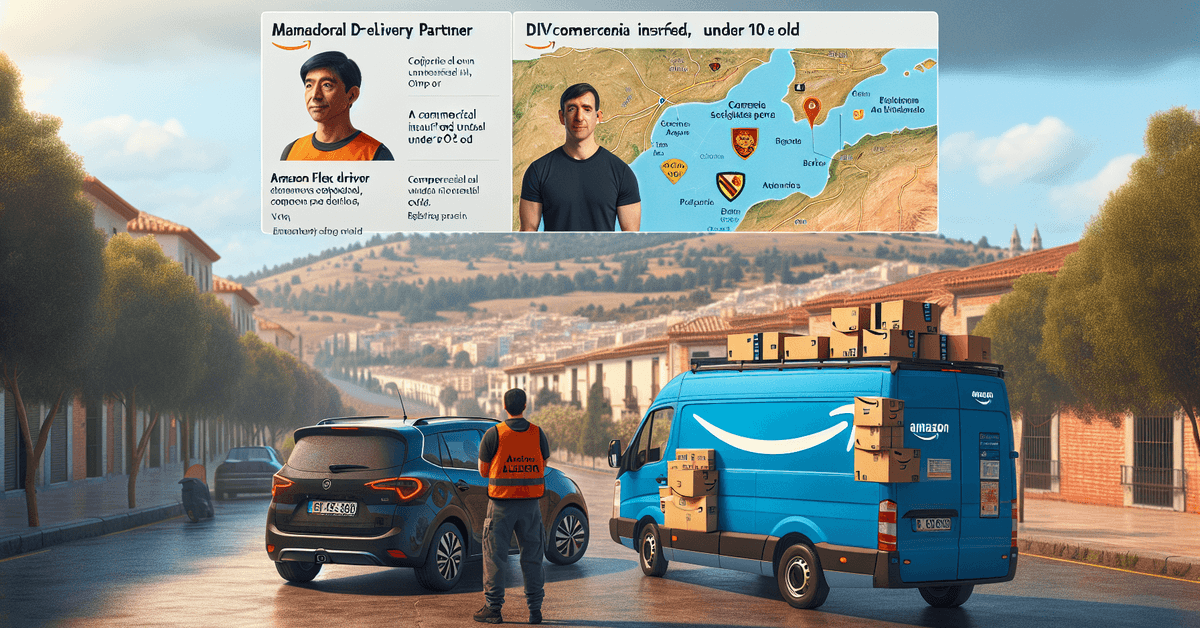
Delivery Service Partner (DSP): Employment Model
DSP drivers differ because they are hired by independent logistics companies working for Amazon.
Wages are paid per hour, with contracts that vary from part-time to full-time. Most DSP drivers in Spain receive a base salary plus possible overtime or performance bonuses.
- DSP employees have employment protections and payroll tax coverage.
- Earnings tend to be steadier but generally a bit lower on a per-hour basis compared to Flex, after expenses.
- Vehicles are often provided by the delivery company, but this is not always the case.
The choice between Flex and DSP is a big one. Some prefer the flexibility of Flex, while others value the stability (and reduced responsibility) of DSP roles.
Factors like daily availability, personal vehicle ownership, and risk tolerance often guide this decision. Occasionally, people switch between models based on changes in their schedules or financial needs.
What Influences Delivery Partner Earnings?
Besides the base payment model, there are various factors shaping what a courier might actually take home. It’s rarely a fixed sum, and while promotions make headlines, the small details matter.
1. Area and Route Density
Urban areas with heavy Amazon usage, such as Madrid, Barcelona, or Valencia, usually mean more opportunities and occasionally higher pay blocks.
In rural or less populated regions, available routes may be fewer and spread over longer distances, which sometimes translates to higher vehicle costs per delivery.
2. Time of Day and Seasonal Demand
Evenings, weekends, and peak periods like Black Friday or Christmas bring more lucrative blocks.
These higher earnings often come with increased pressure—traffic jams, tighter schedules, and, well, higher package volumes. But not all high-demand periods guarantee extra pay; sometimes the only bonus is more work.
3. Costs: Fuel, Maintenance, and Insurance
Both Flex and DSP drivers must consider operational costs. For Flex, this means fuel, insurance, and ongoing maintenance—all out of pocket.
For DSP, some or all costs may be covered by the employer. Over time, frequent short trips in city traffic add up in both fuel and wear. If using your own car, tracking these costs is crucial for calculating real earnings.
Vehicle Rules for Amazon Delivery in Spain
Knowing which vehicles are eligible is fundamental for anyone planning to deliver for Amazon. The specifics depend on the delivery model, the region, and sometimes the parcel types handled.
Allowed Vehicle Types for Amazon Flex
Amazon Flex typically requires deliverers to use their own vehicles. Accepted vehicles include:
- Mid-sized or larger cars (compact vehicles sometimes accepted, but must fit all assigned packages)
- Vans and cargo vehicles (often preferable for large, multiple-package blocks)
Motorbikes and bicycles aren’t currently accepted for Flex deliveries in most Spanish cities.
There are vehicle age and condition requirements; generally, cars must be less than 10 years old and well-maintained. Amazon may ask for annual inspections, updated insurance, and proof of ownership.
Note: Spain’s periodic ITV (Inspección Técnica de Vehículos) is mandatory. Vehicles without up-to-date ITV certification aren’t allowed for Amazon deliveries.
Vehicle Provision for DSP Drivers
Many Amazon DSPs supply branded vans for their employees. The advantage is clear: no personal vehicle wear-and-tear, fewer insurance worries, and all the paperwork sorted.
However, there are cases where DSPs might require drivers to use their own cars, especially during peak demand seasons.
- DSP vehicles are usually larger vans, ideal for high-volume routes.
- Uniform and vehicle branding are typical expectations.
Some drivers appreciate company-provided vehicles, while others prefer to use their own for flexibility or privacy.
It isn’t uncommon for fleet vehicles to be in strong demand among staff, with company policies shifting from year to year. If using a company vehicle, maintaining a clean record and upholding internal policies is key.
Operational Vehicle Requirements
Regardless of model, Spain enforces strict roadworthiness standards. Delivery drivers must have:
- Valid driving license (B type for standard vehicles, C for heavy vans)
- Full insurance covering commercial use
- ITV certificate for roadworthiness
Some wonder if their car is “good enough” for Amazon. The short answer: clean, safe, and compliant is essential.
Minor exterior marks aren’t likely to be a concern, but anything compromising reliability or safety could risk removal from the platform.
Comparing Flex and DSP: Summary Table
| Model | Vehicle Provided? | Payment Type | Who Pays Expenses? |
|---|---|---|---|
| Amazon Flex | No | Per delivery block | Driver |
| DSP Employee | Usually Yes | Hourly wage | Employer (mainly) |
[Image suggestion: Infographic illustrating vehicle types and pay structures]
Legal and Tax Considerations for Amazon Delivery Work
Whether delivering with Flex or DSP, workers must navigate Spain’s tax and employment laws.
For Flex drivers, registering as an “autónomo” (self-employed) is a legal requirement. This entails submitting quarterly income statements, paying social security, and keeping financial records in case of audits.
- DSP workers, as employees, have social security handled via payroll.
- Insurance requirements are stringent for commercial vehicles.
Tax tip: Expenses like fuel, maintenance, or insurance may be deductible for autónomos. However, meticulous record-keeping is necessary.
It may feel overwhelming at first, and many opt for an accountant’s help, at least during their first tax cycle. More information is available on the Agencia Tributaria (Spanish Tax Agency) website.
Tips and Real-World Insights
Making Amazon delivery work profitably often depends on strategy as much as hard work. Speaking with several couriers, a few themes stand out:
- Tracking all expenses (including time lost in traffic) makes profit margins clearer.
- Booking delivery slots during high demand can maximize pay, but it comes with more pressure.
- Vehicle maintenance should never be postponed—it affects both safety and earnings.
- Joining online communities can surface tips about local routes, earnings, and opportunities.
There will be months where deliveries are plentiful, and others when competition is fierce. Some drivers pivot between Flex and DSP work over time, especially when their needs shift.
It’s rarely a perfect system, and small changes—like fuel prices or route reassignments—can impact daily take-home pay.
Conclusion: The Realities of Amazon Delivery Work in Spain
Amazon’s delivery partnership in Spain presents an intriguing mix of flexibility and responsibility. Understanding the different pay models, eligible vehicles, and the cost structure makes all the difference in setting realistic expectations.
Some drivers find the independence empowering, while others lean toward the predictability of DSP employment. Either way, being informed is the best route to success.
For more insights, practical guides, and comparisons, you might check out our related articles on flexible work in Spain. Keeping updated with changes is important, as policies and pay structures shift from year to year.