Starting or expanding a small business in Mexico can be demanding. Access to financing remains a persistent challenge for entrepreneurs across the country.
The option of microloans can sometimes be the difference between a thriving business and one that struggles to survive.



This article explores what microloans are, how they work in Mexico, and why they might appeal to certain small business owners.
If you’re seeking alternative funding solutions, or simply trying to understand the landscape, this guide was made for you.
What Are Microloans and Why Are They Popular in Mexico?
Microloans are relatively small loans intended for individuals or startups who may not qualify for traditional credit.

In Mexico, these loans often cater to self-employed workers, family businesses, and those operating in informal sectors.
Defining Microloans
Generally, a microloan ranges from a few hundred to several thousand Mexican pesos. They’re offered by microfinance institutions, NGOs, and sometimes larger banks with specialized programs. The underlying idea: make credit accessible to those with limited collateral or credit history.
Demand among Mexican Small Businesses
Many small business owners in Mexico lack formal income proof, making traditional loans tricky to secure.
Microloans fill the gap—especially in rural or underserved urban areas where banking infrastructure can be thin.
Popularity and Social Impact
It’s not hard to see why microloans gained traction. They can help small workshops pay for inventories or a street food vendor replace equipment.
Some borrowers say this kind of access helped them grow steadily or simply manage tough stretches.
How Microloans Work for Small Businesses in Mexico?
The process for obtaining a microloan can look a bit different depending on the organization or lender. Still, there are general steps and requirements that many follow.
Eligibility Criteria
- Being a Mexican citizen or resident with valid documentation
- Operating a registered or verifiable small business (could be informal in some cases)
- Basic proof of capacity to generate income or repay
- Sometimes, living in a specific municipality or target area
Application Process
Applying for a microloan can be surprisingly straightforward—or not, depending on the lender’s demands. Most ask for a basic application, some explanation of the business, and minimal paperwork. In-person interviews are common.
I’ve come across stories where an agent visits the client’s storefront, sometimes to get a sense of business operations. This isn’t universal, but it happens—especially with community-based lenders.
Repayment Terms and Interest Rates
Repayment terms may feel compressed compared to traditional loans. Some microloans are due in several months, others extend up to two years.
Interest rates can be higher than bank loans due to risk factors, though still manageable for many businesses. A few friends have said the flexibility offered made up for the slightly steeper rates.
Key Benefits of Microloans for Mexican Entrepreneurs
So, what could make microloans worth considering for your small business in Mexico? The list of potential benefits might look something like this:

- Fast approval processes — Many lenders operate with rapid evaluation so funds can arrive quickly.
- No collateral often required — Especially useful for merchants who don’t own property.
- Encouragement for first-time borrowers — Some organizations even offer group lending, so people with no credit history can qualify based on social trust.
- Support for growth — Funds can be used to boost inventory, purchase equipment, or improve tools and technology.
- Community impact — Anecdotally, microloans seem to strengthen local economies by empowering individual entrepreneurs.
Common Types of Microloans in Mexico
There isn’t just one style or origin for microloans. Multiple organizations are involved, and even the structure of microloans has evolved.
Bank-Based Microloans
Some commercial banks offer small loan programs for microenterprises. They frequently team up with international organizations or local governments to lower the lending risk. The terms tend to be a bit stricter, but they offer transparency and a formal agreement.
Microfinance Institutions (MFIs)
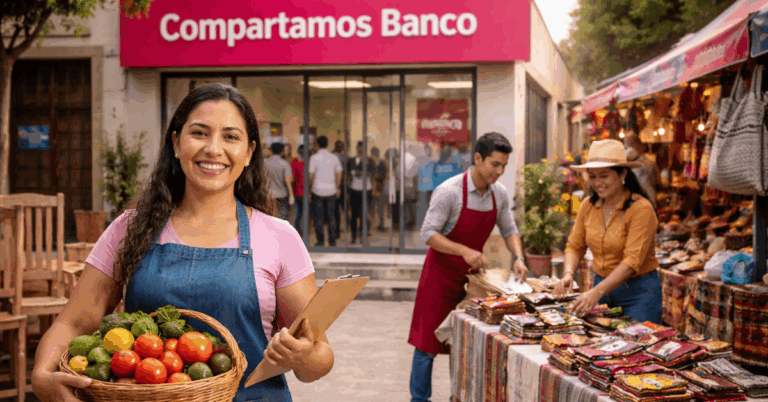
This is probably the most active group in the microloan space. Institutions like Compartamos Banco or Te Creemos specifically target micro and small businesses. They’re often more flexible with documentation and repayment.
Government or NGO Programs
Various federal and state programs promote microenterprise through subsidized loans or direct financing.
NGOs may add mentoring or business training along with capital, which, in some cases, proves as valuable as the money itself.
Potential Challenges and Risks of Microloans
Microloans can be a great tool—but not a universal solution. It’s fair to acknowledge potential downsides or at least things to watch out for.
Higher Interest Rates
The reality is, microloans usually come with higher interest rates than standard bank loans. That isn’t always a dealbreaker, but borrowers need to calculate total repayment before signing.
Risk of Over-Indebtedness
Sometimes, borrowers take multiple microloans (to pay off earlier ones) and end up in a debt cycle. Responsible lenders help clients avoid this, but it’s wise to tread carefully and avoid commitments that feel overwhelming.
Variable Loan Servicing Quality
Not every lender is equally transparent or committed to client support. Reading reviews and talking with previous clients might help, but even so, experiences can vary.
Tips for Choosing a Microloan Provider in Mexico
Finding the right lender is probably as important as getting the loan itself. Here are a few practical tips for navigating the landscape:
- Look for institutions that are registered and regulated by Mexico’s financial authorities.
- Check transparency in fees and repayment schedules—hidden charges sometimes add up.
- Ask about support services (like financial education) that could help you use the funds more effectively.
- Try speaking directly with clients who have already worked with the lender—word-of-mouth is a powerful tool.
Legal and Tax Considerations for Microloan Recipients
Microloan borrowers in Mexico aren’t immune from regulatory obligations. It may feel tempting to skip formalities, but doing things by the book benefits your business long-term.
Registration and Reporting
Official registration of your business, even if it’s a small stand or home enterprise, makes it easier to access all funding programs. Plus, it demonstrates legitimacy to potential lenders and clients.
Tax Considerations
Funds received as microloans aren’t counted as income but repaid over time. However, using those funds to expand may push you into different tax brackets. Consulting with a local accountant might help you avoid surprises down the road.
Alternatives to Microloans in Mexico
It’s worth considering that microloans aren’t the only game in town. Some small business owners find success with personal loans, peer-to-peer lending, or even collective savings groups.
These all have unique advantages and drawbacks—so comparing different solutions makes sense.