Navigating the world of credit cards in Mexico hasn’t always been simple, especially for those without a long banking history or traditional proof of income.
The Stori Card has emerged as an interesting solution, aiming to make credit more accessible for people who may have struggled to get approval elsewhere.



This article explores how the Stori Card might fit into Mexico’s evolving financial landscape, providing details for readers curious about modern, inclusive credit options.
There’s something here for anyone researching ways to build credit, manage finances, or simply understand what’s changing in the market.
Why Traditional Credit Cards Have Been Hard to Get in Mexico?
Historically, qualifying for a standard credit card in Mexico often demands a spotless credit history, a fixed address, and steady employment proof.
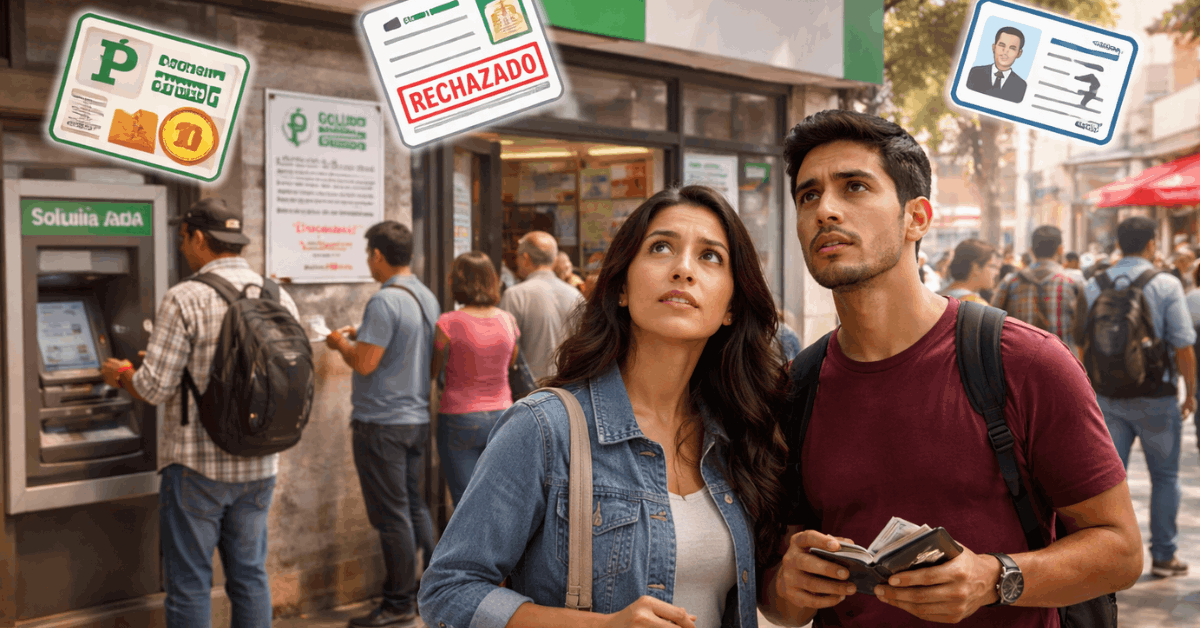
That just leaves many people out. Even freelancers or young adults just starting out can feel locked out of the formal financial system. And, for better or worse, lots of consumers end up feeling they don’t have useful alternatives.
Common Barriers
- Minimum income requirements that feel out of reach
- Credit bureau records weighing heavily on approvals
- Verification processes that take weeks, or get derailed by small errors
In recent years, though, fintech alternatives like Stori have started to reimagine what credit could be—not just for a select group, but for a much wider range of people.
What Sets the Stori Card Apart?
The central idea behind Stori Card is inclusion. Rather than traditional gatekeeping, their process claims to be quicker, relying on digital verification, and placing less emphasis on long credit histories.
User-Friendly Application
- No need for in-person visits to a branch
- Fewer documents required (sometimes just an ID and phone number)
- Responses in hours, not days
If you’ve been frustrated waiting weeks to hear from a bank, the speed and transparency here provide noticeable relief.
It’s worth noting, though, that “instant approval” doesn’t always mean “guaranteed approval.” There are still checks, even if they’re different from what banks use.
Focus on Financial Education
Part of Stori’s model goes beyond just offering credit. There’s an effort to build financial literacy by sending reminders, suggesting good habits, and even flagging overspending.
It feels like a shift from “just a product” to something resembling a basic financial partner—even if the card itself isn’t unique in terms of how it works at stores or online.
How Does the Stori Card Work?
While the overall experience aims to be more flexible than most, using the Stori Card doesn’t feel all that different from traditional credit cards in practice.
Cardholders receive a revolving credit line, pay for purchases online or in stores, and are billed monthly based on spending habits.
Key Features
- Digital onboarding: Everything starts through the app.
- No annual fees: In many plans – though details may shift.
- Physical and virtual cards: For both online and offline payments.
- Reporting to credit bureaus: This can help users build a positive credit history over time.
One area some users have asked about is credit limit size. Limits typically start small, but Stori notes that responsible payment and good usage can increase limits fairly quickly—though this isn’t automatic or guaranteed. As with any credit product, outcomes tend to depend a lot on individual behavior over time.
Who Could Benefit Most from the Stori Card?
The card’s basic pitch is accessibility, but it might appeal most to people at a few key stages in their financial lives—those who don’t yet have much credit, individuals with inconsistent earnings, or recent arrivals trying to set up a financial base in Mexico.

Young Adults and First-Time Cardholders
One question that comes up: How can someone build good credit if nobody will give them a card in the first place?
Stori seems designed with exactly this challenge in mind, letting people “start small” and demonstrate good habits in a lower-risk way.
Freelancers and Non-Traditional Workers
Mexico’s gig economy is growing. Many workers with varied incomes struggle with mainstream banking options.
A product like Stori—where steady paystubs aren’t the only thing that matters—sounds more realistic, at least in theory. Of course, every situation is different, and there are always terms and limits to consider.
Individuals Recovering from Credit Issues
For people who’ve been rejected elsewhere or are rebuilding after financial problems, getting any card at all can be a milestone.
Since Stori uses alternative risk analysis, sometimes prior problems don’t count as much. However, approval can’t be assumed, and building trust takes time.
Potential Drawbacks to Consider
No credit product is perfect. While Stori offers new options, there are still things worth keeping in mind.
Credit Limits Might Be Low Initially
The flexibility comes at a cost: You might not be able to spend as much as you would with a premium card.
This could frustrate some users used to higher limits—though, honestly, it might also encourage healthier spending at the start.
Interest Rates and Fees
Many fintech cards, Stori included, have rates that are competitive with mid-market credit cards but are rarely the lowest available.
If someone doesn’t pay off their balance in full, interest can add up over time. Being aware of all possible charges is key—nobody likes surprise fees, even if they’re small.
Customer Support Mainly Digital
Unlike traditional banks with in-person help, most customer support happens by chat or through the app.
For some, this digital-first approach is a plus, while others might miss face-to-face service or expert guidance.
How to Apply for the Stori Card?
Applying for a Stori Card is intended to be simple and fast. Generally, the only prerequisites are being over 18, living in Mexico, and having basic documentation.
Application Steps
- Download the Stori app (available for Android and iOS)
- Register using your mobile number and email address
- Submit required identification and information
- Wait for approval notification (often within hours)
- If approved, choose your card type and set up PIN/security settings
It’s worth double-checking details and reading the terms during setup. The process feels straightforward, but—speaking from experience—it pays to understand your interest rates, credit limit, and payment options from the outset.
Tips for Building Positive Credit with Stori
Getting approved is only the first step. Stori offers some tools, but a good credit profile still depends on ongoing habits.
Make Timely Payments
Paying on time, even if only the minimum, starts your credit-building journey. Delays show up on your bureau report and can slow any increases to your card’s limit—or even cause you issues down the road.
Keep Balances Manageable
While it’s tempting to use your full credit line every month, using less than 30-40% tends to show the strongest results for your score—at least, that’s the widely shared recommendation among financial advisors.
Regularly Monitor Your Credit Report
Stori shares user payment data with major credit bureaus, which has two effects: On-time payments help your record, but missed payments hurt it. Some users find it helpful to check their free credit reports periodically to track their progress.
Comparing Stori with Other Accessible Credit Cards
Stori isn’t the only credit option in Mexico aiming for wider inclusion. Other fintech platforms now compete with similar tools and features. It might help to consider how Stori stacks up.
| Feature | Stori Card | Other Fintechs | Traditional Banks |
|---|---|---|---|
| Approval Speed | Often within hours | Varies, often 1–2 days | Several days to weeks |
| Credit History Needed | No/low | Mixed | Usually required |
| Physical Branches | No | Rare | Yes |
| Annual Fee | No (on some products) | No/sometimes | Often yes |
| Credit Reporting | Yes | Yes | Yes |
Legal and Tax Aspects of Using Stori in Mexico
Credit cards, including those from fintechs, are regulated by financial authorities in Mexico. Stori is no exception. Here are some things that might be useful to remember:
- User information is protected under Mexican privacy laws
- Credit activity is reported to authorities just like bank card activity
- Tax obligations: Using a credit card doesn’t usually mean direct taxes, but large transactions or business use could trigger reporting requirements—perhaps worth asking an accountant about if unsure
Also, it’s always possible regulations may shift as fintech products gain popularity. Keeping up with official updates or consulting with a specialist can help avoid surprises later.
Conclusion
The Stori Card can be a useful option in Mexico for people who want a more accessible way to start or rebuild their credit history.
Its digital application, lighter requirements, and credit reporting features make it appealing for first-time users and non-traditional earners.
Even so, responsible use matters, especially when it comes to payments, balances, and understanding interest costs.
For many users, the card can be a practical first step toward stronger financial stability and better credit opportunities.