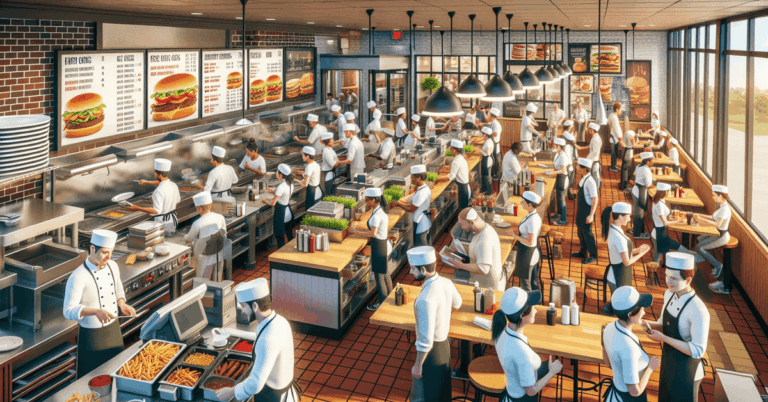
Sonic Drive-In stands out among American fast-food chains with its distinctive carhop service and drive-in format. Yet, what exactly goes on behind the scenes to ensure each customer receives their order efficiently and with a smile?
This article is designed for anyone curious about the mechanics of fast-food service, perhaps those seeking a job as a carhop, or even Sonic fans who just wonder how it all works.
The main benefit here is shedding light on the daily routines, challenges, and unique skills involved in Sonic Drive-In operations —with practical insights into earnings and work environment.
Understanding Sonic Drive-In: Unique Operations
Sonic Drive-In has operated since 1953, carving out a niche with a retro ambiance and curbside delivery.
Unlike traditional fast-food drive-thrus, Sonic’s model relies heavily on carhops delivering orders directly to customers’ parked vehicles.
This approach shapes the entire workflow of the team, requiring coordination, speed, and consistent customer focus.
For those interested in food service dynamics, Sonic provides a great example of how tradition and efficiency can blend.
Carhop Duties: More Than Just Delivery
The core of the Sonic Drive-In experience is the carhop. Carhops are often the face of the brand, engaging with customers personally as they bring out orders.
What might not be obvious, perhaps, is that the role goes far beyond just carrying food. Here’s a closer look at typical responsibilities:
Greeting and Collecting Orders
Carhops often greet customers via the intercom system and sometimes in person. They need to quickly understand the order, confirm details, and check for any allergies or special requests.
It’s a balancing act between friendliness and efficiency, which perhaps gets easier with practice.
Order Assembly
Once taken, an order is relayed to the kitchen team. Carhops will often help assemble bags and trays, ensuring each order matches what the customer requested.
Sometimes, checking for extras like sauces, napkins, or straws is necessary—it’s easy to forget little details, even for experienced workers.
Roller Skating and Table Service
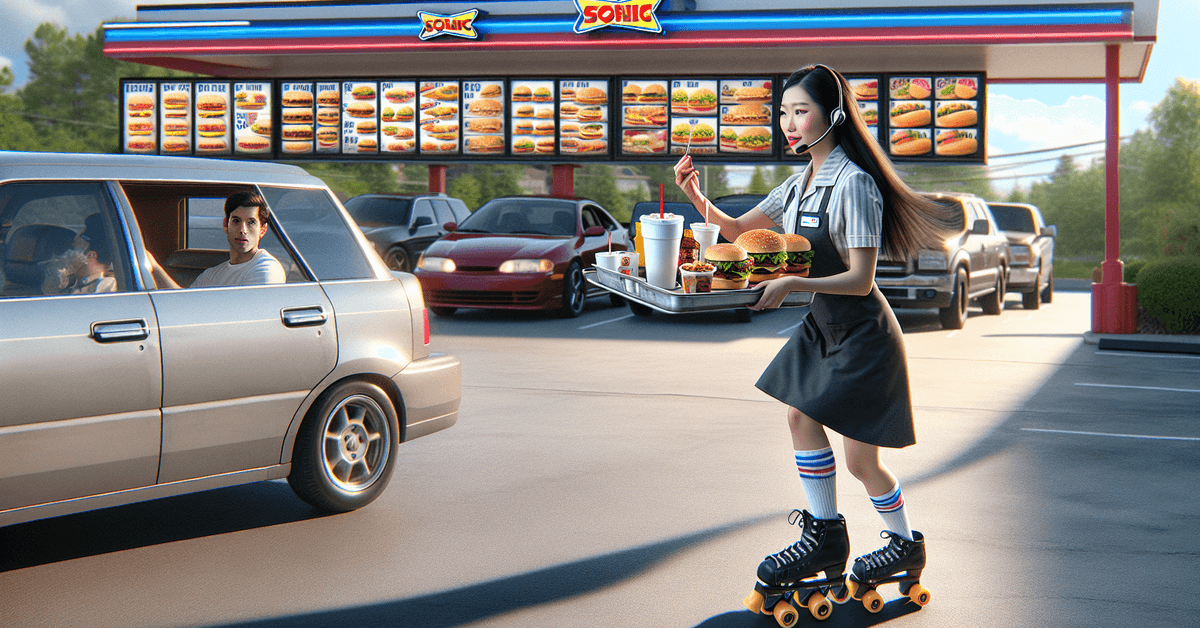
At many Sonic locations, carhops deliver orders on roller skates. This tradition creates a bit of retro flair and allows faster service.
That said, skating isn’t always required, but coordination and agility certainly help. Occasional mishaps—like a dropped milkshake—are inevitable, and most customers are surprisingly understanding.
Taking Payments
Carhops may handle cash or card payments at the car window. They’re responsible for making accurate change, securing tips, and sometimes explaining loyalty or promo programs. Mishaps with handheld POS devices do happen. Adaptability seems crucial.
Customer Care and Problem Solving
Perhaps the most challenging aspect is handling customer complaints or last-minute changes.
If a burger is made incorrectly or a drink is missing, carhops need to resolve issues swiftly to keep service ratings high. A calm, friendly approach helps—even when things get busy.
Service Mechanics: How Orders Flow at Sonic
Behind every delivered tray is a well-orchestrated system. Understanding the sequence of events highlights how much coordination goes into a seemingly simple meal.
Drive-In Technology and Communication
Sonic’s system revolves around intercoms, kitchen monitors, and time-tracking tools. Orders appear on digital screens, visible to both kitchen staff and carhops.
Effective communication between roles is key, sometimes requiring quick clarifications on custom requests—like extra onions or swapped toppings.
Order Prioritization and Timelines
Speed is valued, but accuracy carries equal weight. Orders are often timed, and staff aim to meet goals set by management.
There are moments when orders pile up—a real test of teamwork and multitasking skills. Not every day runs at a perfect pace.
Handling Special Events and Peak Hours
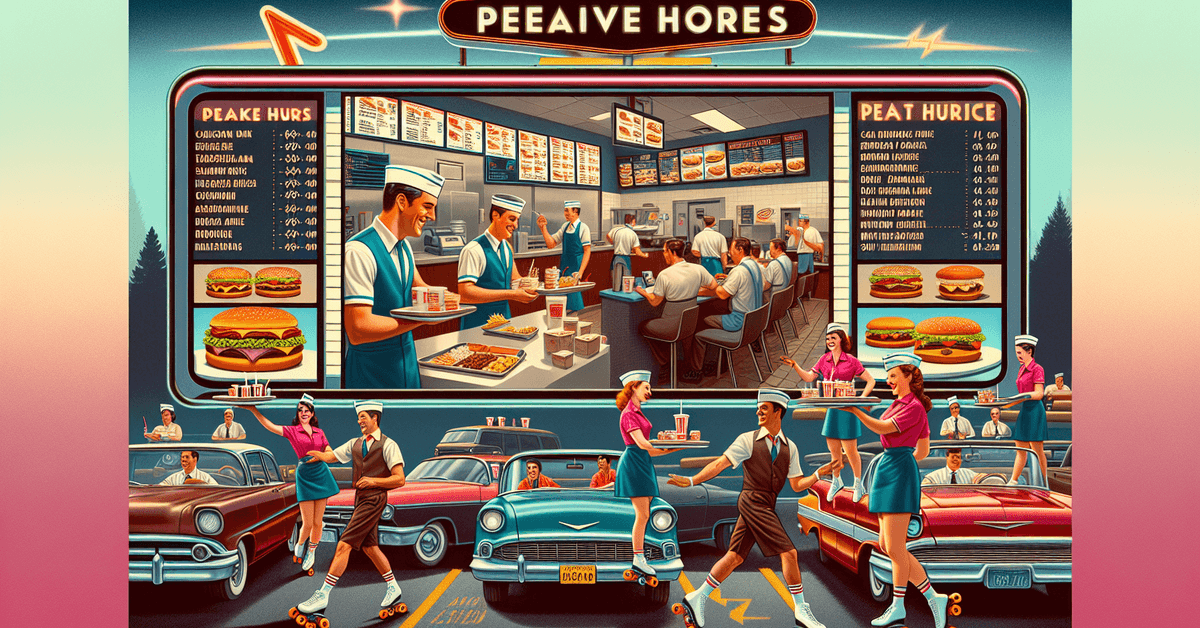
Lunchtime and happy hour bring surges in traffic. During these periods, carhops often have to strategize which car to serve first, juggling multiple orders and payment methods. There’s a tempo to the rush that, after a while, becomes almost second nature.
Salary and Compensation: What Carhops Earn
Sonic Drive-In carhop salaries can vary by location, skill level, and whether individuals skate, as some stores offer skate bonuses.
On average, base pay ranges from $8 to $12 per hour, often supplemented by tips, which can add $20–$50 or more daily, especially during busy shifts.
| Position | Base Hourly Pay | Common Tips (Per Shift) |
|---|---|---|
| Carhop (non-skating) | $8–$10 | $10–$30 |
| Carhop (skating) | $9–$12 | $20–$50 |
Salaries also depend on state minimum wages and the cost of living. Some days, tips outweigh hourly wages, while slower days tend to feel less profitable.
For those considering the role, it’s a unique blend—part fixed wage, part customer dependent.
Skills Needed and Challenges on the Job
The carhop role rewards fast thinking and physical stamina. Here are a few skills and obstacles, maybe not obvious until experienced firsthand:
- Communication: Explaining menu items, clarifying special requests, and listening actively.
- Time management: Keeping up during the lunch rush or handling several cars at once.
- Physical coordination: Especially if skating, as balancing trays and skating at the same time isn’t easy for everyone.
- Memory: Remembering regular customers, common combos, or local modifications can give service a personal touch.
Most carhops agree that bad weather can complicate things, as delivering food in the rain or heat isn’t particularly pleasant.
Indoor duties, like prepping drinks or organizing supplies, help balance the outdoor responsibilities on harsh days.
Why People Choose to Work as Carhops
Some are drawn to the flexibility—the job often fits around school or other commitments.
Others enjoy the customer interaction, or perhaps just the unique setting. Rolling up to cars on skates isn’t a typical day job.
Tips can provide a nice financial boost, especially for those who master the rhythm of a busy shift.
Health and Safety Practices
Maintaining health standards is key at Sonic. Staff are trained in food safety, sanitation, and handling cash safely.
Protective gear (like gloves) is used, especially when health codes require it. Mistakes can happen, of course, which is why ongoing training and internal checks are emphasized.
The emphasis on safety also extends to skate use—carhops are encouraged to wear helmets or pads if needed.
Career Path and Advancement Opportunities
While many carhops use the job as a stepping stone, opportunities for growth exist. Supervisory roles, shift leads, or even transitioning into management are realistic.
Those interested in hospitality or retail may find the experience valuable, as it builds communication and multitasking skills that employers tend to notice.
FAQs About Working as a Sonic Carhop
- Is tipping expected? Tipping is optional but common for good service. Many carhops report that tips add a meaningful amount to their pay.
- Is skating required? Not always—it varies by location, but some stores do offer extra incentives for skating carhops.
- How flexible is the schedule? Shifts vary, and most management teams will work around school or second jobs.
Tips Before Working as a Sonic Carhop
You should understand the role before starting to perform efficiently. These tips help you adapt quickly and handle daily challenges with more confidence.
- Prepare for a fast-paced environment – You need to stay alert and responsive, especially during peak hours with multiple orders.
- Practice clear communication – You should speak clearly and listen carefully to avoid mistakes with customer orders.
- Build physical stamina early – The role involves constant movement, and in some cases skating, which requires balance and coordination.
- Learn basic time management – Handling several cars at once requires prioritizing tasks and staying organized.
- Stay comfortable with outdoor conditions – You may work in heat, rain, or cold, so being prepared improves performance.
Conclusion
In summary, the Sonic Drive-In carhop experience is a mix of tradition, speed, and customer-focused energy.
For those considering the role, it’s a job that can be rewarding—not only in tips but also in skills learned.
Perhaps, with the right attitude and practice, anyone can thrive in this fast-paced, classic American setting.
If you’re looking for more flexible side gigs or want to explore other food service jobs, perhaps browsing related guides will help in finding your next move.