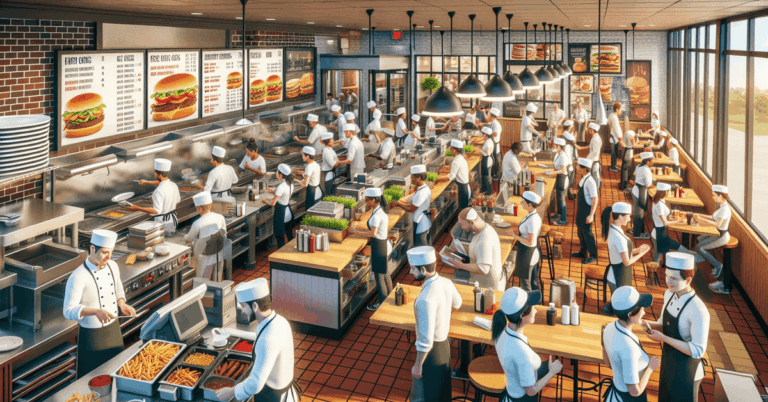
Jack in the Box is a recognizable brand in the fast food industry, boasting thousands of locations across the United States.
For many, it’s not just a familiar drive-thru; it’s a gateway to early work experience or even a long-term career in food service. This guide explores the practicalities of working at Jack in the Box, what a typical shift may involve, and current pay trends for different roles.
Whether someone is looking to supplement their income, start a career, or just better understand the food operations world, these insights could be helpful.
Understanding Fast Food Careers at Jack in the Box
Fast food jobs are often seen as entry-level, but they can also lead to management and higher responsibility.
At Jack in the Box, team members cover everything from preparing food to assisting guests and maintaining cleanliness.
The variety in tasks and roles means that each day can be a new learning curve. The brand’s operation style is designed for efficiency, flexibility, and internal growth, making it appealing for those looking to build skills in communication and multitasking.
Core Roles at Jack in the Box
Knowing what to expect from a fast food position is key. Below are some of the main roles typically available at Jack in the Box restaurants:

Team Member
Most new employees start out as team members. This versatile position involves taking orders, cooking, assembly, basic cleaning, and occasionally handling drive-thru operations.
Communication and teamwork matter, as the pace can be quick. Based on recent salary data, team members generally earn between $11 and $15 per hour, depending on location and experience. In some higher-cost areas, wages can be slightly above this range.
Cook
Cooks focus on preparing food according to established safety and quality guidelines. Tasks include operating grills, fryers, and food prep stations.
While not always customer-facing, attention to safety and speed is essential. Wages for cooks are similar to those of team members, ranging from $12 to $16 per hour in many regions. Hourly rates may rise with tenure.
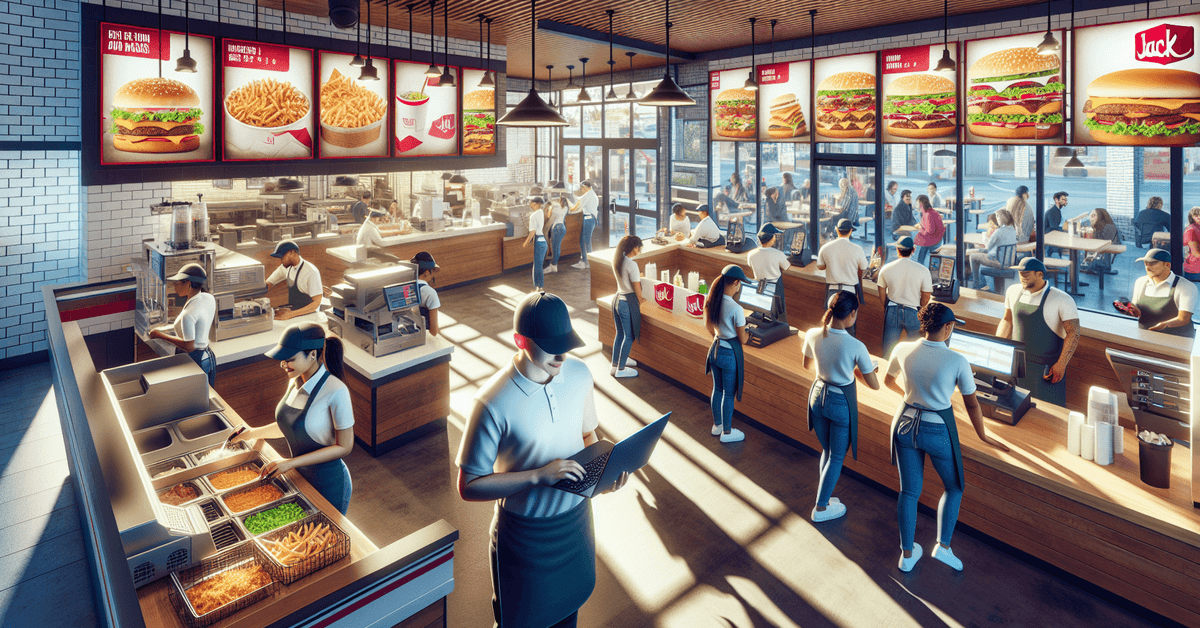
Cashier
As a cashier, the main focus is on guest service: taking orders, handling payments, and ensuring accuracy.
Patience and organization are useful traits here, as rush hours can get hectic. Cashiers earn comparable wages—around $11 to $15 per hour—though some locations offer slightly higher starting rates or additional incentives.
Shift Leader
For those interested in the management track, shift leader roles are a common stepping stone.
Responsibilities include leading a shift, supervising team members, managing inventory, and ensuring operational standards. Leadership and time management skills are important, and pay rises accordingly—typically $14 to $18 per hour, sometimes more for experienced leaders or busy locations.
Assistant Manager / General Manager
Those who stay and grow within the company may progress to assistant or general manager positions.
Focus shifts to broader tasks like scheduling, hiring, financial performance, and staff training.
These salaries vary widely but often start around $40,000 yearly for assistant managers, with general managers earning $50,000 or more, based on store size and city. Bonuses and benefits might provide further compensation.
Fast Food Operations: A Day at Jack in the Box
The flow of work at a Jack in the Box outlet can differ from one location to another, but most restaurants follow a highly structured routine designed to handle peak traffic efficiently. Tasks are typically assigned based on current needs and staff availability.
Morning Shifts
During opening hours, staff will prep fresh ingredients, turn on equipment, and start serving early customers.
Breakfast menu items are popular, so speed is crucial. Morning roles often involve cleaning and checking inventory for the day ahead.
Not everyone is a morning person, but those who are may find these shifts quieter and more predictable.
Midday Shifts
Midday teams handle the lunch rush, which means rapid-fire order taking, quick food assembly, and extra attention to accuracy.
This shift can be intense, with the dining area and drive-thru both busy. Flexibility is helpful—as is a bit of patience under pressure.
Evening and Closing Shifts
Later shifts manage dinner crowds, post-dinner snacking, and closing routines. Cleaning the kitchen, disposing of waste, and closing out registers are end-of-day responsibilities.
Sometimes, these tasks feel repetitive, but the steady rhythm makes the time pass quickly. For night owls, evening shifts may be the preferred time to work.
Shift Schedules and Flexibility
One aspect that draws applicants to Jack in the Box is the range of available shift schedules. Most locations operate with three main shifts: morning, midday, and evening.
Part-time and full-time roles are both offered, and many franchises try to accommodate students or those seeking second jobs.
Not every site offers the same flexibility, but the potential for swapping or adjusting shifts is usually present, especially with some notice.
Shift lengths can be anywhere from four to eight hours, and certain management tracks may ask for longer.
Key Benefits and Challenges in Fast Food Operations
Jobs at Jack in the Box offer several benefits. These can include employee discounts, paid time off, and opportunities for advancement.
Health insurance, retirement options, and bonuses might be available for full-time or management staff, though exact benefits differ by franchise and location.
There are also challenges—fast food work is physically demanding, peak hours can be stressful, and customer service isn’t always predictable, as anyone who’s worked behind a counter knows already.
Nonetheless, the environment allows team members to build skills in problem-solving, communication, and time management.
Current Pay Trends: A Quick Comparison
| Role | Hourly Wage (Avg.) | Salary (Annual Estimate) |
|---|---|---|
| Team Member | $11–$15 | $23,000–$30,000 |
| Cook | $12–$16 | $25,000–$33,000 |
| Cashier | $11–$15 | $23,000–$30,000 |
| Shift Leader | $14–$18 | $29,000–$37,000 |
| Assistant Manager | – | $40,000+ |
| General Manager | – | $50,000+ |
These figures are averages and may shift with changing minimum wage laws or demand.
For more personalized details, the official Jack in the Box careers page provides updated information about wages, hiring policies, and application steps.
Training, Advancement, and Employee Development
Jack in the Box generally provides comprehensive on-the-job training for new hires. It covers safe food handling, proper equipment use, and customer service philosophy.
Advancement opportunities can appear quickly for motivated workers. Some employees might find the path from team member to shift leader surprisingly short if they show initiative and reliability.
However, it’s worth noting that not every location will promote at the same pace, as staffing needs and turnover rates vary.
For those considering a more managerial path, additional training—sometimes including workshops or certification—may be required.
Workplace Environment and Culture
Fast food can be demanding, but many Jack in the Box locations build a close-knit team culture.
Managers and experienced employees play a key role in setting the tone, whether it’s encouraging collaboration or just lightening the mood during a busy shift.
Some employees have mentioned that regular rotation of duties helps keep things dynamic. Of course, every workplace has its tough days.
Not every guest is easygoing, and sometimes things don’t run as smoothly as planned. It’s in those moments where adaptability becomes one of the most important soft skills developed in these jobs.
Legal Considerations and Employment Policies
Each Jack in the Box franchise is required to follow both federal and state labor regulations. This includes minimum wage compliance, overtime pay, and mandatory breaks.
Many locations also have policies concerning uniform standards, health and safety, harassment prevention, and inclusivity.
Employees under 18 may have limits on shift length and hazardous equipment use, so younger applicants should check with the hiring manager for specifics.
For further details on rights and labor standards in the fast food industry, resources like the U.S. Department of Labor’s Food Service Industry page can offer useful context.
Tips Before Applying
- Check pay by location: Rates can vary a lot by city and franchise.
- Ask about shift flexibility: This matters for school or second jobs.
- Prepare for fast-paced work: Rush periods can be intense.
- Learn basic customer service skills: They help in almost every role.
- Look into growth opportunities: Some stores promote reliable workers quickly.
Conclusion: Weighing a Fast Food Career at Jack in the Box
Working at Jack in the Box presents both challenges and opportunities. The environment encourages skill development, teamwork, and advancement—qualities that can be valuable beyond the fast food sector.
For those considering a role or simply exploring options, the company continues to offer accessible entry points and a potential springboard to bigger career goals.
For more insights, readers might wish to browse related articles on workplace flexibility and fast food management, helping them make informed career decisions.