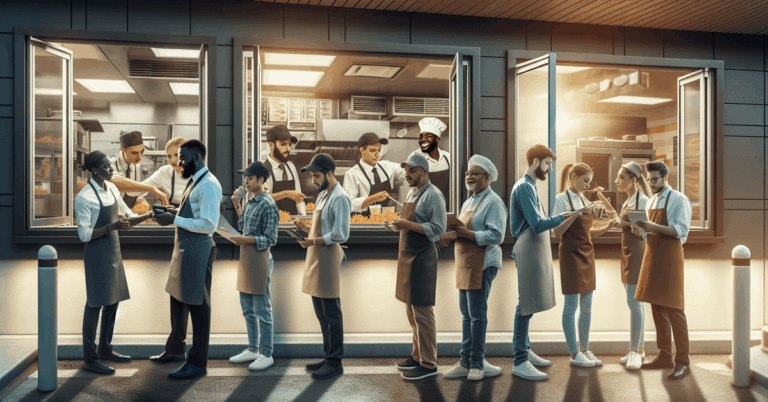
Hardee’s and Carl’s Jr. are two recognizable fast-food brands with a strong presence in many parts of the United States and worldwide. Both share a history of serving classic American fare, but what often goes unseen is the diverse team working behind the scenes.
This article offers a look into how these restaurants operate, highlighting management and crew roles, and exploring how someone can build a career in this environment.
Whether you’re thinking about joining the food industry or are just curious about restaurant operations, understanding how crew members and managers work together adds a surprising depth to what many consider a basic job.
For people searching for stable entry-level work or leadership roles in hospitality, the structure at Hardee’s and Carl’s Jr. offers more than might be expected.
How Hardee’s & Carl’s Jr. Restaurants Are Organized?
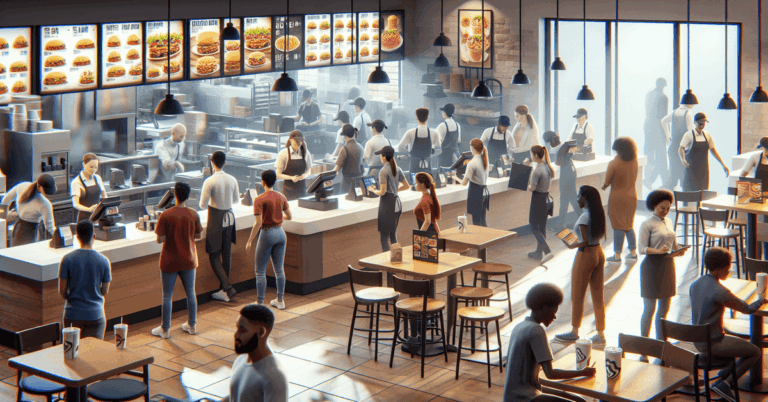
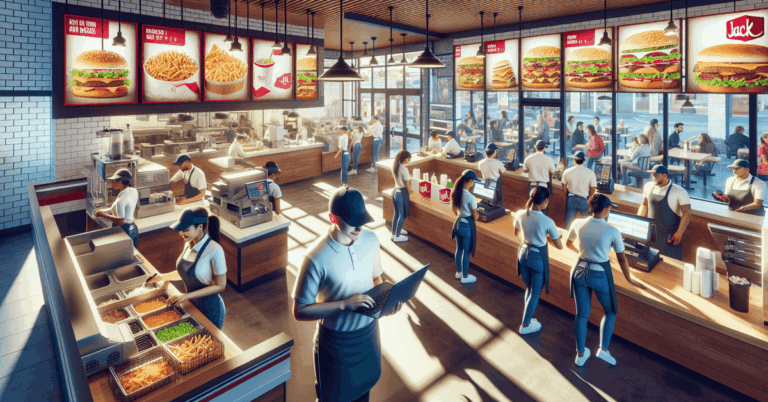
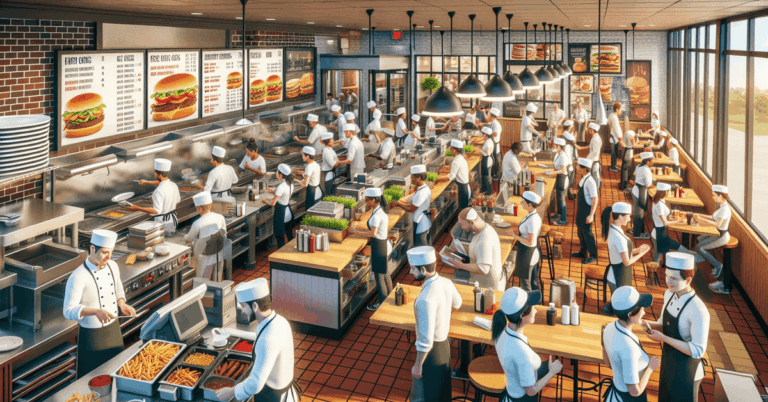
Every successful location relies on clear structure and collaboration. At the core, you’ll typically find a general manager, shift leaders, cooks, cashiers, and a few specialized team members.
This tiered approach allows restaurants to meet customer needs quickly during busy periods and maintain quality standards.
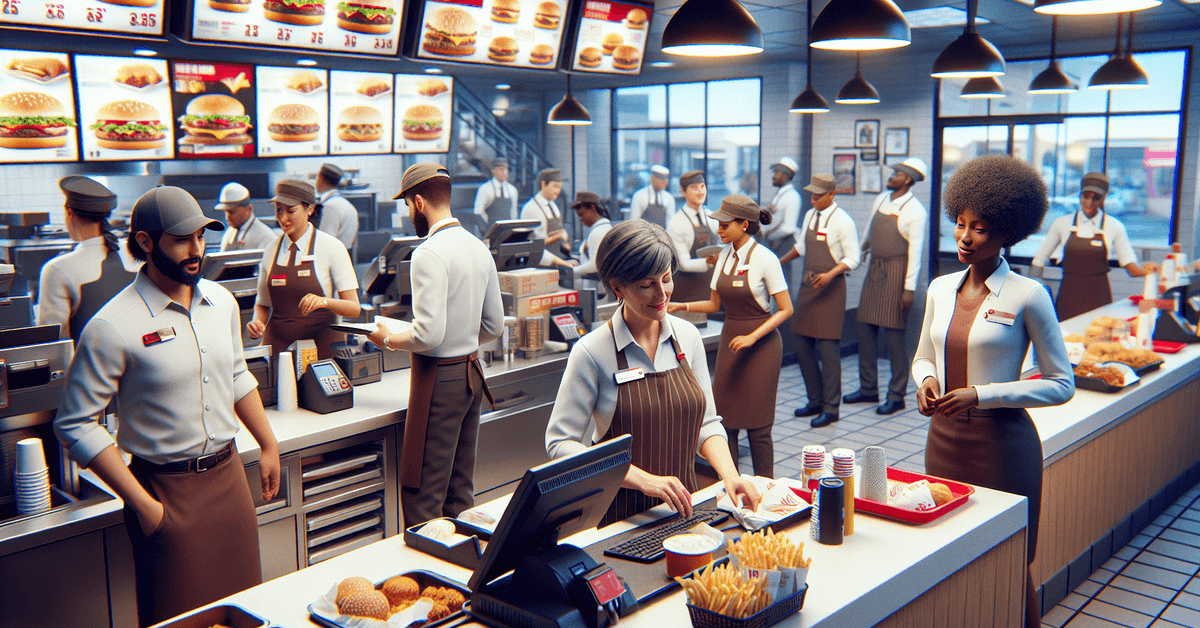
The Management Team: Key Roles and Responsibilities
Management is often hands-on in these establishments. The typical management ladder consists of Assistant Managers, General Managers, and sometimes District Managers for multiple stores.
Instead of simply overseeing, many managers work the floor actively beside their teams, often jumping in wherever support is needed.
General Manager (GM)
The General Manager is accountable for the entire restaurant’s performance, from financials and staffing to customer satisfaction.
GMs review sales reports, conduct employee training, and manage inventory. Their schedule is rarely fixed.
Some days are devoted to scheduling, others to handling tricky customer issues. There’s room for improvisation, too—every restaurant day brings its own challenges.
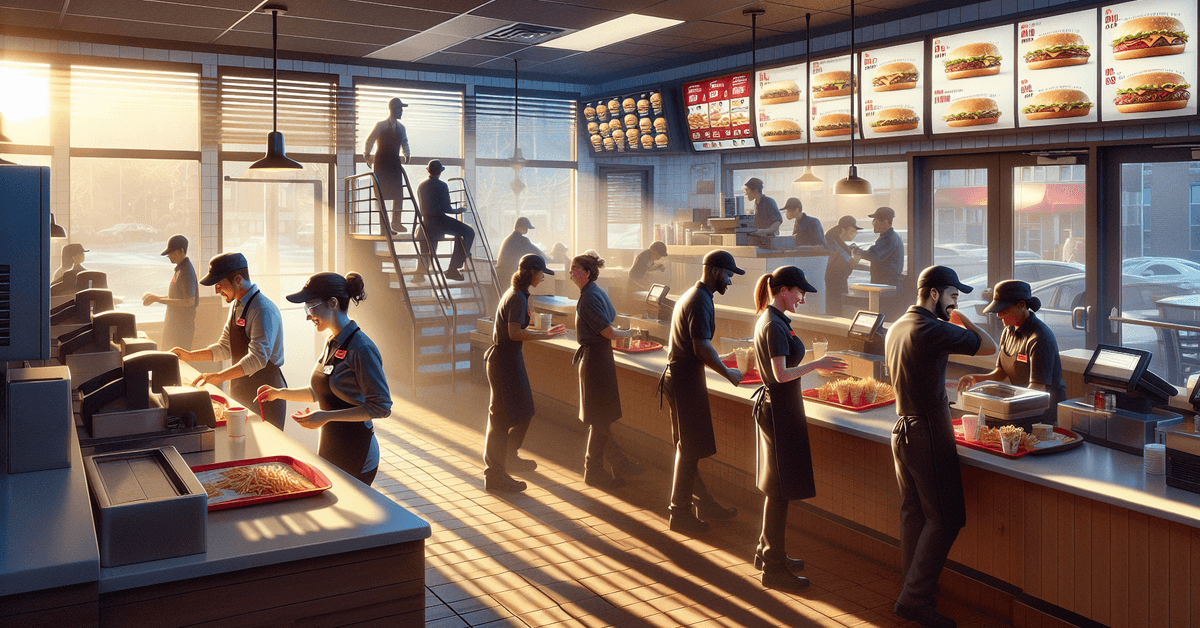
Assistant Manager
This role is often a bridge between the GM and the crew. They monitor daily operations and provide coaching to develop staff skills.
If a GM is offsite, the Assistant Manager makes nearly all decisions, from equipment repairs to dispute resolution.
Who Makes Up the Crew?
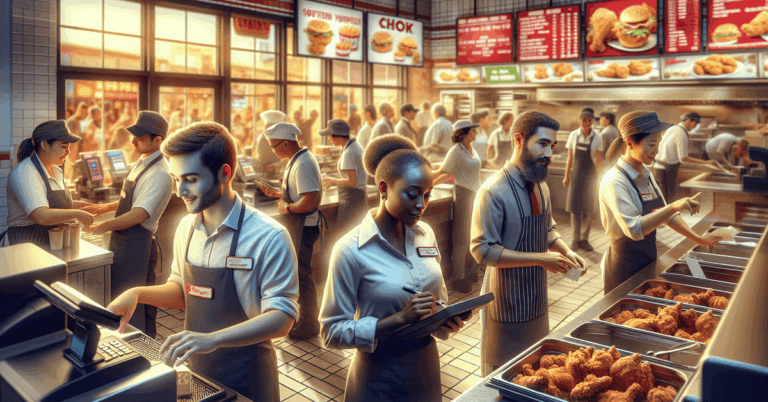
The heartbeat of any Hardee’s or Carl’s Jr. is its team members—a mix of cooks, food preppers, cashiers, and custodial staff.
Entry-level positions usually require little previous experience. Most new hires gain skills through on-the-job training, with the possibility to rise through the ranks later on.
Cashier / Front-of-House Roles
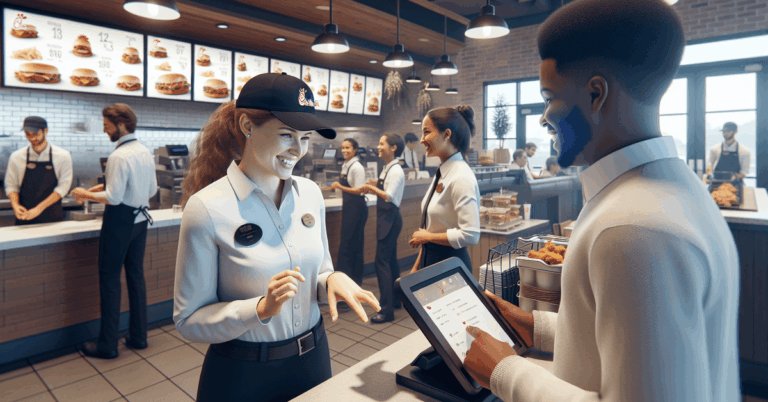
Cashiers are the first point of contact for guests, taking orders, handling payments, and ensuring that each experience is efficient and pleasant. Multi-tasking is crucial—especially during lunchtime surges.
It also helps if they can handle occasional tough interactions with patience and a smile, or at least the attempt of one.
Cooks & Food Preparation
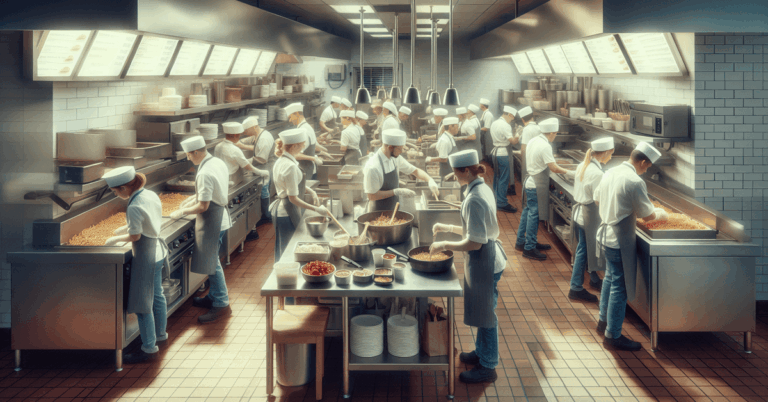
Behind the scenes, cooks assemble burgers and make sides. Many are cross-trained to handle multiple stations, from grilling to frying.
Safety and speed matter, as does consistency—customers expect their favorites to taste the same each time, which is harder than it may seem.
Additional Crew: Maintenance and Cleaning
No restaurant would run smoothly without routine cleaning and maintenance. Some locations hire dedicated staff for these tasks, while others rotate duties among the existing crew. Either way, hygiene is non-negotiable, especially under food safety law.
Restaurant Operations: What a Day Looks Like
Many people might picture a fast-food job as repetitive, but the reality can vary. Some shifts start early, with breakfast service coming before the sun rises.
Kitchen and front staff coordinate to make the process seamless. Later in the day, another wave prepares for lunch, restocking ingredients, and adjusting to fluctuating demand.
Evenings may see managers finalizing inventory or reviewing staff performance. Some days are exhausting, but there’s often a sense of camaraderie that brings the team together.
Training and Career Growth
New hires usually spend their first days shadowing more experienced employees. Over time, crew members can move into advanced roles by learning different kitchen stations, lead cashier protocols, or scheduling duties.
Hardee’s and Carl’s Jr. often encourage promotions from within—many managers began as part-timers years ago.
Cross-Training Benefits
It’s fairly common for crew to rotate between cash registers and kitchen duties. While that flexibility can be challenging, it helps build a valuable skill set.
Not everyone enjoys every station. Some gradually gravitate toward customer-facing roles; others, toward food prep. The option to switch things up is there, if a person asks for it.
Necessary Skills and Qualities
For management, adaptability is essential. Restaurant work involves quick shifts in priorities, whether it’s dealing with a sudden rush or covering for an absent employee.
Customer service, communication, and attention to cleanliness are valued across every role.
I’ve noticed people who thrive here usually handle unpredictable situations with humor and patience; not always, but often enough to make a difference.
Wages and Employee Benefits Overview
Pay rates at Hardee’s and Carl’s Jr. differ depending on location, hours, and position.
Entry-level crew generally receive hourly wages near minimum wage, with incremental increases for seniority or added responsibility. Management and kitchen crew with specialized skills tend to earn more.
| Position | Typical Range (USD/hour) |
|---|---|
| Cashier / Entry-level Crew | $8 – $12 |
| Cook / Shift Leader | $10 – $15 |
| Assistant Manager | $13 – $17 |
| General Manager | $40K – $60K (annual) |
Benefits vary by location and franchise, but full-time workers may receive health insurance, paid time off, or even tuition assistance.
Some franchise locations also offer regular incentives for strong performance, like bonuses or recognition programs.
For details about pay and benefits, it’s worth consulting the official Hardee’s careers page or the Carl’s Jr. site.
Challenges and Rewards in Restaurant Work
The restaurant environment is fast-paced and often unpredictable. During peak hours, stress levels can spike, and mistakes happen.
Patience—both with customers and colleagues—becomes vital. However, there’s a sense of accomplishment in keeping things running smoothly, even on tough days.
Friendships sometimes form, and the satisfaction of learning practical skills, like problem-solving or conflict management, can last.
Diversity and Inclusion in the Workplace
Restaurants are often a first job for many young people but also attract career changers and retirees. This means crews are typically diverse.
Everyone brings their own perspective, and in most locations, inclusivity is becoming a bigger focus.
Companies like Hardee’s and Carl’s Jr. regularly update training to promote respect and equal opportunity, reflecting broader trends in the industry.
Opportunities for Advancement
A career at Hardee’s or Carl’s Jr. might begin as a cashier or line cook, but there’s room to move up.
Some employees eventually lead teams, open new locations, or transfer into corporate roles such as operations or training.
Advancement can take time—some reach higher positions in months, others in years. Networking with managers or participating in training programs sometimes opens unexpected doors.
Conclusion: Is a Restaurant Career Right for You?
Working at Hardee’s or Carl’s Jr. can be challenging but also rewarding. People find value in teamwork, opportunities for growth, and the chance to build skills that transfer far beyond the restaurant floor.
Whether you’re starting out or thinking of a management track, investigating further could uncover possibilities you hadn’t expected.
Tip: Interested in flexible work? You might benefit from reading our guide on jobs for students and part-time workers for ideas that fit around school or family.