
Understanding the DPD Delivery Network is a key part of entering the fast-growing world of last-mile logistics in Spain.
For those thinking about joining as an independent contractor or setting up a delivery fleet, the landscape can appear both promising and complex.
With more retailers turning to couriers like DPD Spain to reach customers, opportunities for flexible work and business growth are steadily increasing.
But this isn’t just a matter of hopping on a bike or van and getting started—there’s a framework of rules, requirements, and expectations to consider.
This article hopes to clarify these essentials. Whether you’re an individual weighing up gig work or someone eyeing fleet operation for DPD deliveries in Spain, you’ll find practical, trustworthy insights here.
The goal is to help you understand what’s required, what’s expected, and where the opportunities may genuinely be found, keeping compliance and best practices in mind.
What Is the DPD Delivery Network in Spain?
The DPD network operates as one of Europe’s leading parcel delivery companies, connecting businesses and customers with a wide-reaching logistics system.
In Spain, DPD works with a blend of direct employees, independent contractors , and third-party fleets to handle deliveries.
The model centers on flexibility, supporting both solo couriers and larger vehicle owners, yet structures and rules remain strict enough to maintain service standards.

Types of DPD Partnerships: Independent Contractor vs. Fleet Owner
Before joining, it’s important to understand the distinction between individual contracting and running a delivery fleet. Each comes with a different set of rules, risks, and potential rewards.
Independent Contractors
These are self-employed couriers who use their own vehicle—bicycle, scooter, car, or van—to deliver parcels.
Contractors often value flexible scheduling and the potential to increase earnings with greater dedication, though workload can fluctuate.
DPD sometimes contracts directly with couriers, but often subcontracts through local delivery firms or digital platforms.
Fleet Owners
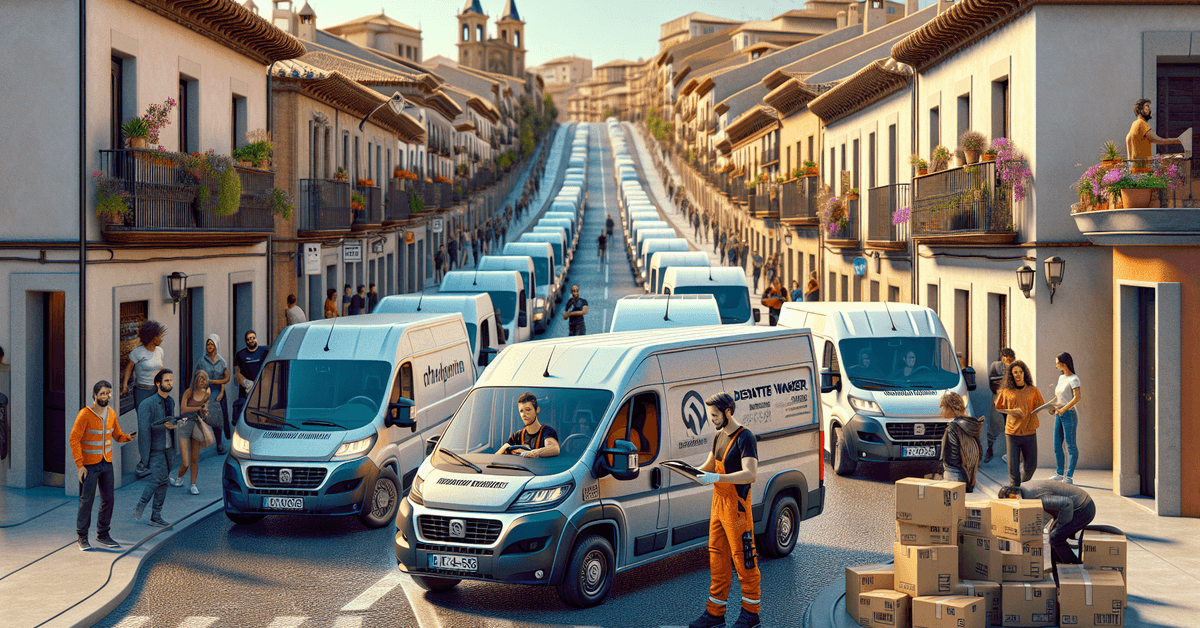
Fleet partnerships operate at a larger scale. Here, a business—sometimes a registered company, sometimes a sole proprietor with multiple vehicles—supplies a group of drivers to the DPD network.
Fleet partners manage recruitment, payroll, and compliance for their drivers, acting as a bridge between DPD and individual couriers.
The expectations are more formal, with a higher degree of operational and legal responsibility.
Key Rules for Independent Contractors in DPD Delivery
If you’re considering solo delivery work, the following requirements usually apply. The specifics may differ by city or subcontractor, yet certain essentials remain universal across the DPD Spain network.
- Legal Registration: You need to be registered as a self-employed worker ( autónomo ) in Spain. This includes proper tax registration and social security payments.
- Vehicle Requirements: Your vehicle must comply with local regulations (insurance, safety, emissions). DPD may set age or size limits for vehicles used in their service area.
- Equipment: The job often requires a smartphone, vehicle GPS, and sometimes branded uniforms or parcel scanners, depending on the contract details.
- Insurance: Contractors must have third-party liability insurance, and, in some cases, a dedicated policy covering goods in transit.
- Background and Eligibility Checks: DPD, or its recruiting partners, will typically check for a clean criminal record and valid work eligibility in the EU.
Key Rules for Fleet Owners and Their Drivers
Operating a fleet within the DPD framework, even if “fleet” only means two or three vehicles, involves additional layers of responsibility. The essential rules include:
- Business Structure: The fleet must be registered as a legal entity or recognized business.
- Employee Contracts: Proper employment contracts are required for all drivers, usually with clear written agreements and transparent working hours.
- Fleet Insurance: Commercial insurance is mandatory, often incorporating goods in transit, public liability, and driver coverage.
- Health and Safety Compliance: Fleet owners need to follow workplace safety and vehicle maintenance standards, subject to Spanish labor laws.
- Data & Record Keeping: Accurate records for hours worked, payments, tax compliance, and driver documentation must be maintained and made available to DPD on request.
- Subcontracting Rules: Some regions may restrict further subcontracting, so fleet owners are usually limited in passing down their contracts.
Opportunities and Challenges When Joining DPD Spain
The appeal of joining the DPD delivery ecosystem can be genuine—flexible income, an entrepreneurial environment, and the security of working with a well-known brand. Yet there are considerations worth weighing before getting started.
Potential Benefits
- Reliable Demand: Parcel delivery volumes have increased, post-pandemic, across most Spanish cities. DPD maintains a significant market share.
- Flexible Hours: Contractors often have the freedom to propose schedules, and some even combine delivery with study or other part-time work.
- Self-Management: Especially as an independent contractor, you control your weekly workload.
Common Challenges
- Unpredictable Income: Delivery volumes can fluctuate by day, week, or season—so it’s not always consistent.
- Bureaucracy: Navigating Spanish tax, insurance, and self-employment systems can challenge new entrants.
- Stringent Compliance: Rules around labor rights for gig workers in Spain have tightened, and DPD is generally strict about partner compliance.
How Earnings Work in the DPD Delivery Network in Spain
Income depends on your contract type, location, and volume delivered. Most contractors are paid per parcel or on a per-route basis.
Fleet owners may negotiate more complex agreements with DPD, reflecting both the number of deliveries and operational costs.
| Role Type | Payment Model | Average Range (per month) |
|---|---|---|
| Independent Contractor | Per delivery or per route | €900–€1,700 |
| Fleet Owner | Contractual (multi-driver volume) | €2,500–€6,000 |
Estimates are general and may vary by location, time of year, and exact agreement terms.
DPD’s Expectations: Service Levels and Compliance
A core feature of the DPD brand is reliability. Partners are usually expected to meet strict performance indicators such as timely delivery rates, scan compliance, and customer feedback.
Missing targets too often can mean a reduction of offered routes, or, in severe cases, contract termination.
Of course, real-life circumstances—traffic, weather, vehicle issues—can sometimes get in the way. Still, communication and documentation help mitigate risks.
Legal, Tax, and Regulatory Considerations for DPD Couriers in Spain
Navigating the legal framework is unavoidable. Spanish labor laws have evolved in recent years, especially relating to gig economy platforms.
Some independent contractor models are under scrutiny, and DPD, like its competitors, adapts frequently. Typically, contractors must:
- Register as autónomo with the local tax office (AEAT)
- Enroll and pay into Régimen Especial de Trabajadores Autónomos (RETA) social security
- Submit quarterly VAT (IVA) and income tax returns
- Retain supporting documents for all business-related expenses
Fleet owners, meanwhile, are responsible for payroll taxes, employee rights (such as sick leave), and higher-level insurance. It’s perhaps wise to consult a local labor law advisor before signing any agreement.
Tips to Succeed as a DPD Independent Contractor or Fleet Owner
- Start with a realistic budget for vehicle expenses, taxes, and insurance. Sometimes, costs are higher than expected.
- Consider using financial software or a professional accountant to stay organized and compliant.
- Join local courier forums or social media groups to share experiences—peer advice is invaluable, even if it sometimes feels contradictory.
- Understand that work rhythms can change rapidly—festive periods are often busier, summers sometimes slower.
- Stay informed of legal updates affecting gig and transport work in Spain. Rules really do change, sometimes mid-year.
Conclusion: Weighing the DPD Opportunity in Spain’s Dynamic Market
Working with DPD as either a contractor or fleet owner presents a genuine opportunity, but requires planning, compliance, and a realistic understanding of the challenges ahead.
The Spanish logistics sector offers space for both flexible gig work and more ambitious business growth—though, frankly, neither is ever completely risk-free or effortless.
For those considering this path, time spent researching, talking with others in the network, and understanding legal frameworks can make all the difference.
There’s always some uncertainty, as with any evolving sector, yet staying informed can help you adapt and find your own best approach within the DPD delivery system.