Food delivery services have grown rapidly in Spain, bringing convenience to more people than ever. Among the leading names, Domino’s Pizza stands out for its focus on secure delivery operations and clear driver responsibilities.
Many wonder—what actually goes into a typical Domino’s delivery shift, especially when it comes to safety and earnings?
This guide delves into the protocols, daily duties, and salaries involved, offering a thorough look for both job seekers and curious customers.
Why Safety Protocols Matter in Domino’s Delivery Operations
Reliable safety protocols are at the heart of Domino’s delivery model. This attention to detail isn’t accidental. It’s built on years of experience and the practical need to protect both drivers and customers.
Sometimes, the simple aspects—like checking the weather before setting out—make all the difference. For Domino’s, these protocols are not just suggestions but formalized steps embedded in all training.
Many drivers, perhaps even those with years of experience, admit that the protocols boost their confidence on the job. That sense of assurance can be motivating on stressful routes.
Key Safety Protocols Domino’s Drivers Follow
A Domino’s delivery run might look straightforward from the outside, but under the surface, there’s a carefully structured set of rules at play. Some of the main safety measures include:
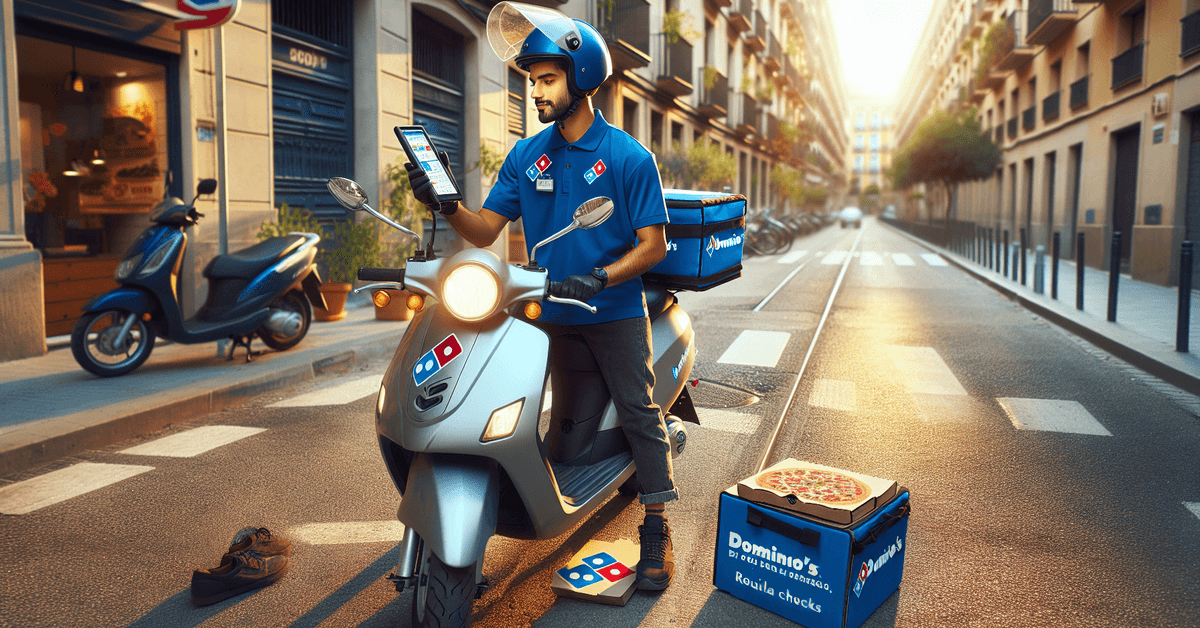
- Vehicle Checks: Drivers are expected to review the basic functionality of their vehicles—whether scooters, bikes, or cars—before each shift.
- Helmet and Gear: For scooter or motorbike riders, wearing helmets and reflective vests is mandatory. Some teams even supply gloves and knee protectors to new drivers.
- Route Planning: Efficient deliveries rely on mapping optimal routes using GPS systems, reducing risks related to getting lost or entering hazardous areas.
- Contactless Delivery: Since the pandemic, Domino’s is more attentive to contactless drop-offs, hygiene practices like hand sanitizing, and safe distancing at doorsteps.
- Incident Reporting: Incidents—such as minor accidents or customer disputes—are to be reported immediately through established internal channels.
These steps may sound a bit rigid at first, but—oddly enough—most drivers settle into them quite comfortably after a few weeks. There’s something almost reassuring in having clear boundaries, even when the workload spikes unexpectedly.
Main Domino’s Delivery Driver Duties
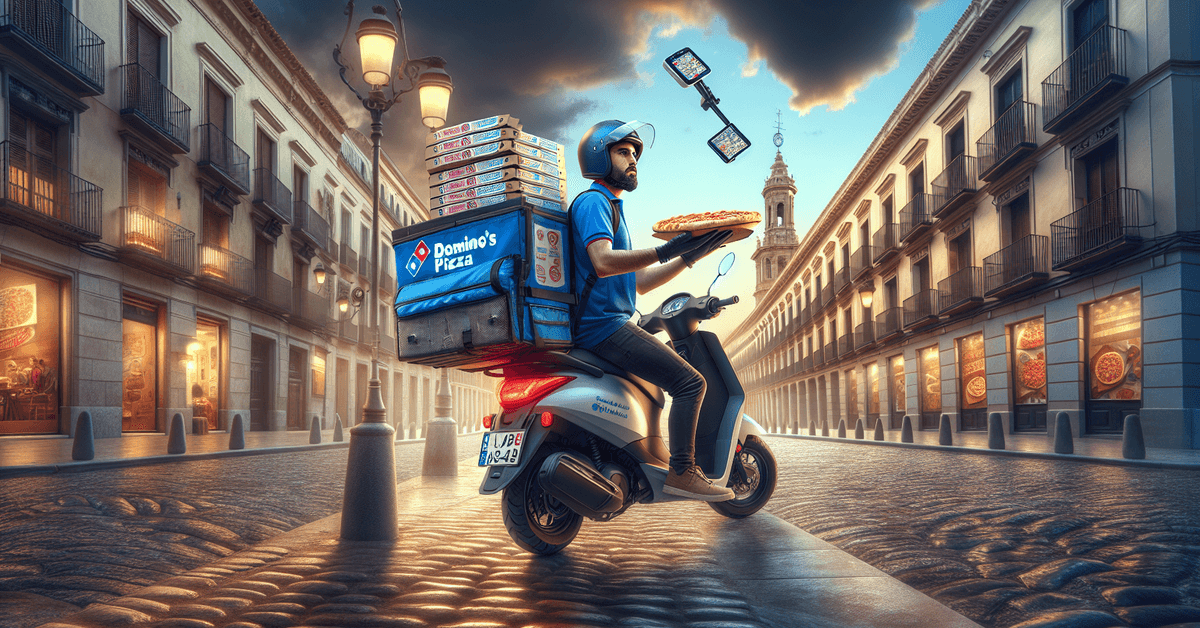
It may surprise some to learn that being a Domino’s delivery driver requires a mix of technical, communicative, and organizational skills.
The day usually starts with an assignment briefing. Orders are then picked up for delivery in a carefully timed sequence. Let’s break down the primary duties.
Order Verification and Packaging
Before stepping out, drivers double-check that each pizza and side order matches the receipt. Warmth and quality are closely monitored. Some sources suggest that well-packaged food can cut customer complaints in half—a small detail with big consequences.
Efficient and Safe Delivery
Speed isn’t everything. Drivers must balance quick delivery with safe navigation, adhering to all traffic regulations.
The company provides guidance on appropriate driving behaviors, although, in reality, a little common sense usually goes further than any official memo.
Customer Communication
Many customers expect real-time updates. Drivers often call or text if delays are likely. Approaching the customer’s home, presenting a friendly yet professional demeanor can shape reviews and tips—though this admittedly varies with each customer’s mood and expectations.
Handling Payments and Records
Some orders require cash handling, though most payments are now contactless. Each transaction needs to be tallied and submitted at the end of the shift. Keeping accurate records is not just policy; it prevents confusion when reconciling tips, fees, or refunds.
Salary, Benefits, and Typical Work Hours for Domino’s Drivers in Spain
One of the bigger questions—especially for those considering this path—is, ” How much do Domino’s delivery drivers really make in Spain? ” Typically, the starting salary hovers between €7 and €9 per hour. With overtime, some drivers top €1,000–€1,200 per month, depending on local demand and shift availability.
Benefits include:
- Employee discounts on food
- Paid vacation (proportional to hours worked)
- Social security contributions and health coverage (for contract staff)
- Potential bonuses for consistent on-time performance
- Flexible shifts are often ideal for students or part-time workers
It’s perhaps not a job for those seeking rapid financial growth, but for many students or those between careers, the predictability and perks offer real value. For more on flexible jobs, see our related guide: Best Flexible Jobs in Spain for Students and Part-Timers.
Training and Onboarding for New Domino’s Drivers
No one starts out as an expert—that much is clear. Domino’s onboarding usually involves a mix of classroom sessions and ride-alongs. New hires shadow experienced drivers for the first week, gradually taking on orders.
- Safety briefing (equipment, hygiene, legal obligations)
- Order management training
- Route planning and GPS familiarization
- Customer etiquette
The emphasis on ‘learning by doing’ echoes through most driver testimonials. Mistakes—missed addresses or mix-ups—are common early on, but the learning slope is not as steep as it first appears.
Challenges Domino’s Delivery Drivers Commonly Face
Realistically, not every shift goes smoothly. Traffic jams, unpredictable weather, and occasional uncooperative customers—these go with the territory. Sometimes, there’s some frustration (especially during holiday rushes), but camaraderie among drivers can help lighten the mood.
Another common issue is workload imbalance. On quieter afternoons, drivers might wait around. On weekends, the pace is relentless. Domino’s tries to staff up during peak times, though sudden demand spikes still catch everyone off guard now and then.
By the way, discussions about driver safety and compensation have become frequent in Spanish media. You’ll sometimes find detailed insights on labor forums or within the official Domino’s Spain careers page—a useful resource for up-to-date info on hiring trends.
Legal and Tax Considerations for Domino’s Delivery Staff
It’s important to distinguish between contract (asalariado) and freelance drivers. Most Domino’s outlets in Spain prefer to hire on a contract basis, which means drivers are covered by Spain’s labor laws—holiday pay, social security, and regulated maximum work hours all apply.
For freelancers (autónomos), however, personal tax obligations become central. Proper records, official invoices, and quarterly reporting are all part of the mix. Admittedly, this paperwork can feel overwhelming, especially for newcomers to Spain’s tax regime. If in doubt, consulting a SEPE-certified labor advisor is a wise move.
Here’s a summary comparison:
| Type | Benefits | Obligations |
|---|---|---|
| Contract | Social security, paid leave | Fixed schedule, employer deductions |
| Freelancer | Income flexibility | Own taxes, no paid holidays |
Suggestions for a Safe and Productive Domino’s Delivery Experience
After reviewing operations, it seems clear that combining compliance with personal initiative produces the best outcomes. Some drivers recommend the following, based on practical experience:
- Check weather forecasts to plan your route and gear
- Invest time in learning local shortcuts and traffic patterns
- Keep a small emergency kit for minor incidents or delays
- Log any concerns with your supervisor early—before small problems grow larger
- Monitor earnings and hours weekly to avoid burnout
Ultimately, each route is different, and what works for one shift may not work on another. Sometimes, the best approach comes from observing colleagues and adjusting as new challenges arise.
Recommended Resources for Current and Aspiring Drivers
Anyone considering delivery work with Domino’s in Spain will find these resources useful:
- Official Domino’s Spain Careers
- Domino’s positions on Trabajos.com
- SEPE (Servicio Público de Empleo Estatal) for employment rights and tips
Internal link suggestion: For comparisons with other delivery platforms, see: Top Food Delivery Platforms in Spain .
Conclusion: Working as a Domino’s Delivery Driver in Spain—Is It Worth It?
The role is demanding at times but offers structure, social protections, and steady if modest, earnings. For many, the regular schedule and company protocols make the job both manageable and secure, even if not especially glamorous.
For those attracted to flexible work with some social interaction and a clear rulebook, Domino’s could be a fit—just remember, the learning curve is real, and each day brings new surprises.
Staying open to advice, using the resources above, and taking initiative where possible are usually worthwhile approaches to building a solid delivery career in Spain.