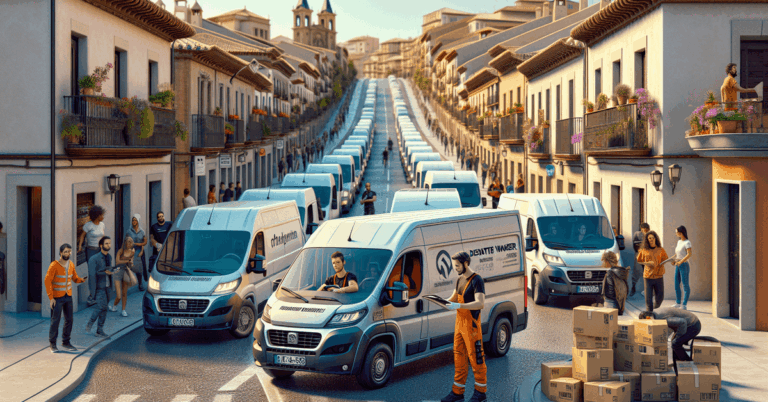
Working with a global leader like DHL Express Logistics presents a fascinating mix of efficiency, responsibility, and an unwavering focus on safety.
With international deliveries and a finely tuned network, DHL has made reliability its signature.
This article explores what life looks like for couriers in DHL’s ecosystem, what their duties mean on a day-to-day basis, and how fleet safety rules form the backbone of this robust logistics provider.
What Makes DHL Express Logistics Stand Out?
DHL Express isn’t just another logistics brand. It’s an international powerhouse moving millions of shipments every week through a network spanning 220+ territories.
Perhaps, what really sets DHL apart is not just its speed, but also its meticulous organization paired with a consistent customer-first mindset.
For those interested, you can check DHL’s official portal for detailed service offerings and updates.
Key Courier Duties at DHL Express
Being a courier isn’t always as straightforward as it sounds. Each delivery comes with its challenges and requirements, making the role much more dynamic than people often assume.
Package Pickup and Delivery
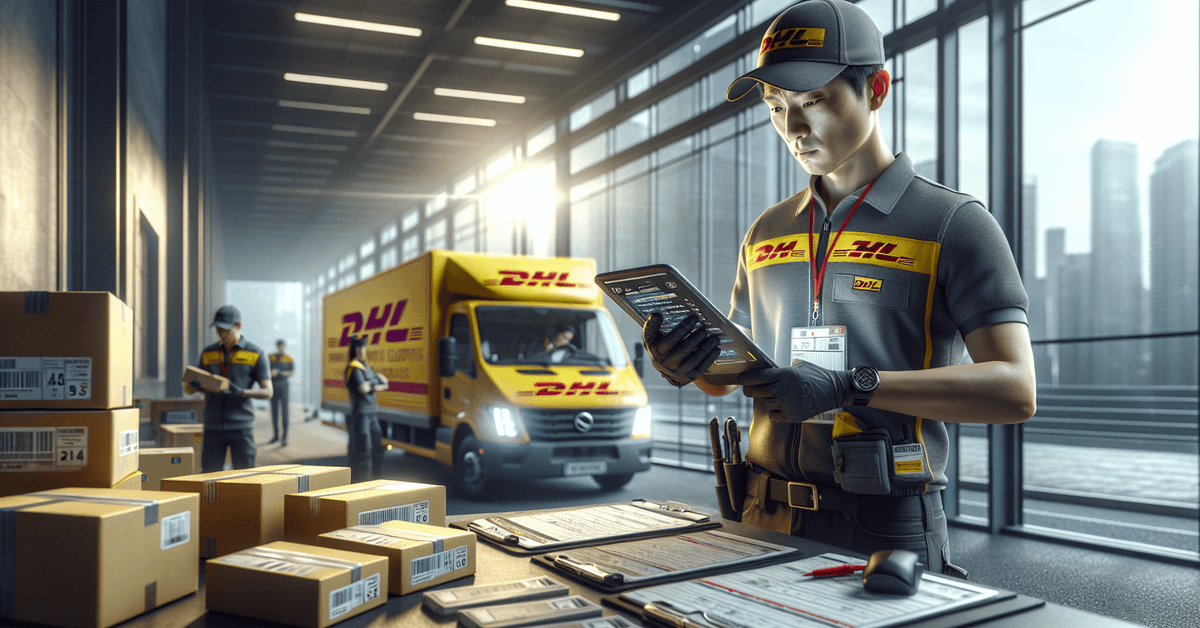
Perhaps the most visible part of the job, picking up parcels from sender sites and delivering to designated addresses, forms the core daily duty.
Yet, this responsibility involves careful attention to details, documentation, and route planning. Even the smallest error could disrupt tight delivery schedules.
Managing Delivery Documentation
Certain shipments—especially ones crossing borders—come with documentation requirements: customs forms, proof of delivery signatures, and digital confirmations. Accuracy matters, but so does efficiency.
Providing Customer Service
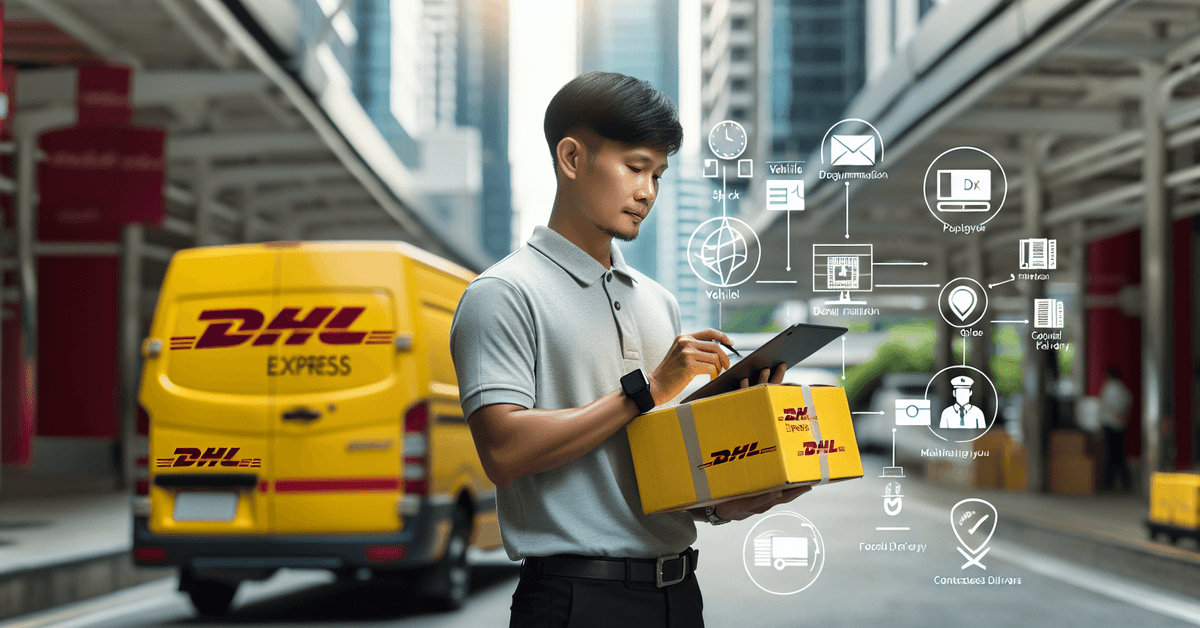
DHL couriers represent the face of the company during deliveries. While many stops might just require handing over a package, issues like missing information or location mix-ups can arise. In these moments, couriers act as the link between recipients and central dispatch.
Maintaining Delivery Vehicles
An often understated part of the job: couriers check their vehicles for issues—like tire pressure or warning indicators—before heading out. Catching a problem early can prevent delays or unsafe situations on the road.
Fleet Safety Rules at DHL Express
With hundreds of vehicles always in motion, safety isn’t just a goal—it’s an ongoing practice. DHL has built strict protocols designed to safeguard both its staff and public road users.
Routine Vehicle Inspections
Before departing, every courier is required to run through a checklist: brakes, lights, mirrors, and emergency kits.
It might sound repetitive, but experience shows these quick rituals prevent costly accidents.
Adherence to Local Traffic Laws
DHL’s company policy aligns tightly with local law. Traffic signals, speed limits, and delivery zone guidelines are non-negotiable. Those who cut corners tend not to last long in the business—for good reason.
Training on Safe Driving Techniques
Even experienced drivers take part in ongoing training. Techniques like defensive driving, careful merging, and understanding of hazardous materials come together to keep the operation smooth and incidents rare.
Such commitment, though sometimes time-consuming, pays off in fewer accidents and a stronger reputation.
Incident Reporting and Continuous Improvement
DHL encourages transparent reporting of any issue—whether it’s a minor scratch on a vehicle or a near-miss traffic event.
This information is used for refining safety protocols down the line. Many logistics firms do this, but DHL’s system seems unusually robust, at least from what’s publicly shared.
Balancing Efficiency with Safety
Some might wonder if focusing so much on safety slows things down. In reality, the opposite tends to be true.
A well-maintained fleet and well-trained drivers face fewer disruptions. Over time, this increases not just efficiency, but also reliability—two qualities clients and couriers notice fast.
Technology’s Role in Modern Courier Work
Few industries have been transformed as dramatically as logistics by technology. Couriers at DHL rely on route optimization software, digital checklists, and hand-held devices for real-time updates.
For those curious about trends in logistics technology, platforms such as Supply Chain 24/7 often highlight emerging solutions.
Real-Time Tracking and Alerts
GPS-enabled devices ensure routes are efficient, but also make it easier to adjust for traffic or bad weather.
Packages can be tracked by senders and recipients from start to finish, which cuts out most of the communication gray area that used to frustrate everyone.
Contactless Delivery Options
Perhaps accelerated by recent world events, contactless signature and proof-of-delivery options have become standard.
Couriers appreciate the added safety, and customers find convenience in not needing face-to-face contact for every parcel.
| Task | Description |
|---|---|
| Package Handling | Secure pickup, scanning, delivery, and documentation management |
| Vehicle Checks | Daily pre-route inspections including brakes, tires, and lights |
| Customer Interaction | Problem-solving, address clarifications, and feedback gathering |
| Incident Reporting | Logging accidents, near-misses, and ensuring procedural follow-up |
Tips for Prospective Couriers at DHL Express
The work can be demanding, but rewarding. Those who thrive at DHL tend to value structure, teamwork, and a willingness to keep learning on the job.
It’s never just about delivering a box—it’s about reliability and personal responsibility.
- Be detail-oriented. Each street or address variation can become a challenge, especially in dense urban centers.
- Stay organized. Juggling multiple parcels, paperwork, and digital tasks requires a reliable routine.
- Stay up to date on local regulation changes, which can impact routes or procedures.
- Remember self-care—hydration and regular breaks keep performance (and safety) high.
Those pondering if courier work at DHL suits them may find it helpful to read employee testimonials on job portals or forums. There’s plenty of honest insight out there, both good and bad.
Legal Responsibilities and Compliance Issues
Strict regulations govern logistics operations. Couriers transporting goods—especially across borders—must be aware of customs, hazardous items, and data privacy laws.
DHL’s compliance team provides regular briefings, but it can feel overwhelming at first. Luckily, most legal rules are straightforward once you see them in context.
Reviewing DHL’s customer and regulatory support info gives a broader sense of what’s involved.
Insurance and Liability
Every courier vehicle and shipment is insured, protecting both the company and the client from common risks.
The terms may differ based on region, so reading the small print is rarely wasted effort.
Reporting Accidents and Issues
If something goes wrong—such as a vehicle damage incident or lost parcel—the procedure matters just as much as the outcome.
Documentation, transparency, and timely reporting are expected, and not just by DHL but by regulatory bodies too.
Conclusion: The Value of a Courier’s Contribution
Many people don’t see the complexity behind every DHL Express package delivered—yet much goes into every safe, on-time arrival.
Attentive couriers and rigorous fleet safety rules shape not just the company’s image, but also its customers’ daily experiences.
Whether you’re considering a role in logistics or simply curious about what makes such networks reliable, delving into DHL’s approach sheds light on the surprising depth in this line of work.